


 |
|I start with a familiar studio recording – and I am stunned by the virtual stage's ambiance: The tablas seem to resound in a larger, brighter space, and the timpani comes from great depth and yet powerfully. The reproduction seems fresher and more upbeat than usual. I had expected more minor differences between the two high-end cables and am surprised how much more listening pleasure the ThunderBird allows. To rule out the possibility that my test piece happens to be a perfect match for the ThunderBird's sound characteristics, I briefly listen to two excerpts from orchestras recorded in natural acoustics with a few microphones: I do not need to revise my spontaneous enthusiasm in the least. On the contrary, the orchestral recordings, in particular, benefit from the ThunderBird's capabilities. It's incredible how much more minute information the mythical creature elicit from my chain. The best thing is that these do not contribute to an exhausting, analytical playback but more music enjoyment.
Instead of enjoying this excellent cable for a longer time, I just use it to listen to one of the most beautiful current releases: Avishai Cohen's album "Naked Truth." The Qobuz stream spoils me with lyrical melodies and the very finest ECM sound: a delight – not least because of the immensely open and transparent ThunderBird. But since I'm in the cable land of milk and honey right now, I'll concentrate on another well-known test piece and then swap the ThunderBird for the FireBird. Yes, there it is again, this fascinating illusion of space. Now the placement of the instruments on stage is even slightly more precise, and the sound sources are now even more sharply focused. The bass range sounds with a touch more pressure, but these are relatively marginal. What makes the switch from the Firebird back to the Thunderbird difficult or even impossible – once you've had the direct comparison – is the greater rhythmic intensity of the reproduction with the Firebird. You really can't keep your feet still with the appropriate music. Speaking of Firebird, after discovering Mahler's Symphony No. 3 with the Bavarian Radio Symphony Orchestra under Mariss Jansons, I found and downloaded Stravinsky's Le Sacre Du Printemps and the Firebird Suite from Qobuz in search of similarly good-sounding recordings. This recording also benefits from Christoph Stickel's mastering, who was also involved in the Mahler CD. The ballet captures you with its rhythmic suspense. The orchestra seems to perform on an extensive and deep stage. Even if not always entirely catchy,one could completely lose oneself in the euphony – if one would not be suddenly startled by the timpani in the "Infernal Dance": The dynamics of the recording can impress me all around, too, via an adequate system and with the appropriate interconnect cables!

By the way, the signal conductors of the FireBird are made of solid, surface-treated silver. The connector housings are silver-plated to dissipate RF interference. The Dragon is assembled with the same connectors and differs from the FireBird in the noise dissipation: Its highest quality level, reserved for the Dragon, is called "Level 7" by Audioquest. It differs from Level 6 by the conductor used in the shielding, which is also Perfect-Surface Silver in this case. And that makes a difference in terms of sound. With the Dragon, you get a bit more of everything: a slightly more extended stage, even somewhat better imaging, a tad more punch in the low end, and even minimally more powerful timbres. The best part is that these impressive partial aspects create an utterly harmonious whole. Even the spatial presentation, which has never been heard like this before, does not seem gimmicky or overly spectacular. Instead, the Dragon intensifies the perception of musical flow and thus the listener's enjoyment.
Of course, I heard the usual songs like Shostakovich's "Polka" or Keith Jarrett's "God Bless The Child" when switching between FireBird and Dragon. But much more interesting is how the cables behave with quite "normal" music, i.e. music not selected according to audiophile criteria. One of the most exciting discoveries for me – first in the Jazz Podium magazine, then on Qobuz – was the Paris Zyklus of the Rebecca Treschner Tentet. In terms of spatial illusion, the studio production is nothing special – even though the sound is completely detached from the speakers – but musically, it is: exciting, melodic compositions and, due to the instrumentation, rich timbres. The skin of the fat bass drum, the wood of the clarinet, the vibraphone metal, and sometimes the strings of a harp sound incredibly realistic.


-
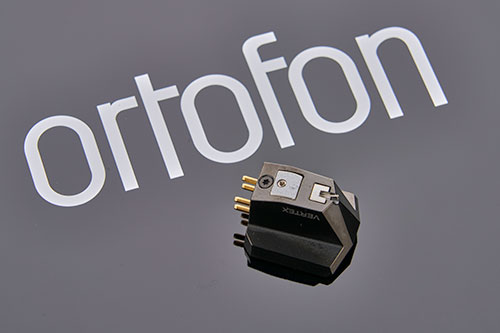
Ortofon MC Vertex
Die bisherigen Topmodelle von Ortofon, das Anna, das Anna Diamond und das Diamond, ähnelten einander auch optisch stark. Das Vertex macht schon durch sein Erscheinungsbild klar, dass es anders ist. Es ist der erste Tonabnehmer mit einem Diamanten mit Vertex-Schliff. Soweit mir bekannt, ist das der erste neue Nadelschliff seit rund 40 Jahren. Aber das ist nicht die einzige Veränderung gegenüber dem MC Diamond: Der Generator des Vertex besitzt einen deutlich höheren Innenwiderstand, die Nadelnachgiebigkeit…15.09.2026 -
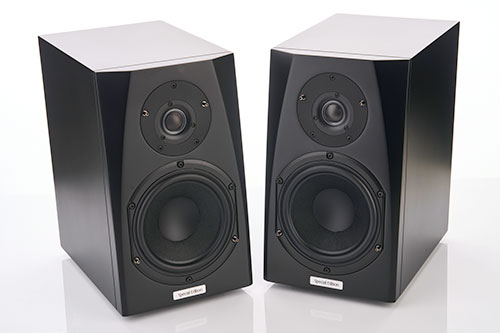
Phonar Veritas M4.2 SE
Es hat mir bislang stets Vergnügen bereitet, mich mit Phonar Lautsprechern zu beschäftigen. Nach einem Test kaufte ich die Veritas 9.2 SE und genieße seitdem ihre Musikalität. Phonar überzeugte immer wieder mit einem außergewöhnlich attraktiven Preis-Klang-Verhältnis. Bestätigt die neue, kompakte Phonar Veritas M4.2 SE diese Erfahrungen? Mein eindrucksvollstes Phonar-Erlebnis hatte ich vor zwei Jahren mit der Standbox Veritas p4.2 Next, die aktuell für einen Paarpreis von 2400 Euro auf der Phonar-Website zu sehen ist. Genau…08.09.2026 -
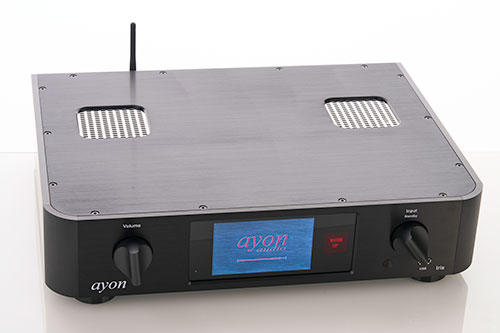
Ayon Iris Signature Streamer
Auf der High End Vienna haben Dirk Sommer und ich den Ayon Iris erstmals entdeckt – nun steht der außergewöhnliche Streaming-Player bei uns bereits zum Test. So frisch ist der Iris, dass selbst die Roon-Zertifizierung zum Testzeitpunkt noch läuft. Brandneu, doch der Iris kommt keineswegs aus dem Nichts: Wer die Entwicklung der digitalen Ayon-Komponenten verfolgt hat, erkennt eine kontinuierliche Beschäftigung mit dem Thema Streaming. Auch wir konnten diesen Weg begleiten – nach dem S3 und…01.09.2026 


-
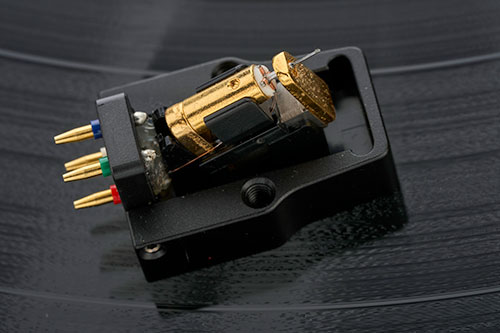
Sumiko Starling
Mein letzter Test eines Tonabnehmersystems befasste sich mit dem Sumiko Oriole. Nun drehen sich für diesen Test meine Schallplatten unter dem Sumiko Starling, dem teuersten System aus der Sumiko Referenz Serie. Nachdem ich überaus positiv überrascht vom Test des Oriole war und dies Peter Laitenberger vom deutschen ATR Vertrieb mitteilte, empfahl mir dieser mir doch einmal das Sumiko Starling anzuhören. Gesagt, getan und bereits wenige Tage später kam das kleine Päckchen mit dem Starling zu…28.08.2026 -
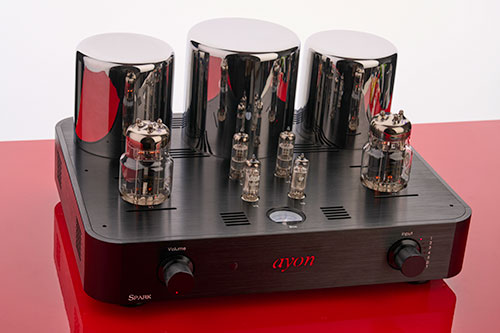
Ayon Spark V
Der Röhrenvollverstärker Spark ist mittlerweile seit über 20 Jahren ein fester Bestandteil des Produktportfolios von Ayon. Preislich eher im Einstiegssegment der Österreicher und nominell unterhalb der Evolution-Serie angesiedelt, hat dieses Gerät aufgrund der eingesetzten russischen Triode 6C33 das Potenzial zum Hidden Champion. Spätestens seit meinem Test des Boliden Ayon Crossfire Evo maße ich mir an, ein Kenner der Marke Ayon zu sein, zumal mir diverse andere Geräte der Marke im Laufe der Jahre zu Gehör…25.08.2026 -
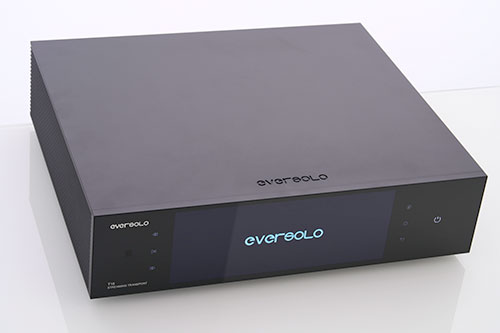
Eversolo T10
Eversolos Streamer DMP-A10 beeindruckte mit seinem hervorragenden Preis/Leistungsverhältnis und seiner prallen Ausstattungsfülle. Aber in meiner Kette im Wohnzimmer mit M-Scaler und HUGO 2 arbeitet er nur als reiner Datenlieferant. Kann das Eversolos neuer Streaming Transport T10 noch besser? Zumindest nach dem ersten Blick auf das rückseitige Anschlussfeld darf man das vermuten, denn dort befinden sich wie beim Eversolo DAC-Z10 zwei BNC-Anschlüsse für die Verbindung mit einer externen Clock, entweder mit einer Impedanz von 75 oder…21.08.2026
© 2026 | HIFISTATEMENT | netmagazine | Alle Rechte vorbehalten | Impressum | Datenschutz


Einige Hifistatement-Autoren benutzen
Qobuz Sublime+ Abonnements.

Einige Hifistatement-Autoren besitzen
eine roon Mitgliedschaft.

Einige Hifistatement-Autoren besitzen
die JPLAY hi-fi app.

Einige Hifistatement-Autoren besitzen
den Audirvana Plus 3 Music Player.