


 |
|With the ADOT Kit, the focus is on galvanic isolation, and the data regeneration as above : in addition to the converter, it consists of two SFP adapters, the matching duplex multimode fibre optic cable of 1.5 metre length and the linear plug-in power supply already mentioned. If you add a switch with a built-in media converter like the Melco S100 - or also the SOtM sNH-10G - you can easily isolate the digital audio components from the internet and still be connected to it. The fact that ADOT probably first sees owners of Melco switches as a target group does not mean that users of other switches are neglected. In addition to the Fibre Kit, they also need the MC Accessory, a box with another ADOT media converter, a Y-cable for the power supply and a Melco C1AE Ethernet cable. If galvanic isolation is the primary concern, this combination is also logical: the LAN cable, which previously connected router and switch, for example, is plugged into the first media converter, then it continues via fibre optic cable and the Melco cable is used between the second converter and the switch. Since the linear plug-in power supply is strong enough to feed two media converters, the Y-cable is used to connect the two. However, its length - or shortness - suggests that ADOT does not expect to bridge a distance of 1.5 metres with the fibre optic cable. For all users who already operate an optical fibre link with selected SFP adapters and high-quality power supplies, it would be nice if they could purchase the ADOT converters without accessories. But you can talk to the sales department or the dealer of your choice...
Since in my system - as I said - Ethernet data have also been transmitted optically for some time, I currently use only the two ADOT modules. I cannot explain why, during the first test with the Melco switch, the transmission only worked when I no longer limited the transmission rate to 100 megabits via the DIP switches, contrary to the ADOT recommendations. I have now activated the bandwidth limitation declared as audiophile for both converters and the data transmission works without problems. But according to my experiences so far, a little break-in time is now called for for the media converters, which they complete in the background while an immensely exciting phono stage collects operating hours.

The play-in phase has the advantage that I switch from the - as I firmly assume - better configuration to the slightly less good one during the following comparison. And experience shows that the way back is always the more difficult - or easier, when it comes to recognising changes. This is no different here. Whereas before I was sure that I had never heard the two or three test pieces so well through my system - to which, apart from the ADOT converters, the modifications to the Melco NAS certainly contributed - the switch back to the two 10Gtek made the sound stage shrink a little. The reproduction had lost some of its smoothness, and the high frequency range seemed minimally hardened. The differences were not huge, but clearly perceptible over a high-resolution chain. In the high-end range, it's these little things that make the difference.
When I then looped in the ADOTs again - the whole change took less than two minutes - the sonic advantages of the higher-quality converters seemed greater to me than in the first comparison: Keith Jarrett in his trio now seems to have much more fun with the old standard "God Bless The Child". The three groove even more intensely. The spatial imaging has also improved thanks to the ADOTs: The instruments now seem more three-dimensional on the larger stage. Here and there, you can also hear a little more detail. Keith Jarrett is one of those musicians who are not really quiet. The spectrum ranges from audible breathing and rhythmic foot movements to stomping and humming along to the melody. Thanks to the ADOTs, you can participate in all of this. There is no need for further comparison: In my system, I would no longer want to do without the ADOT media converters.
I'd rather hear whether the media converter in the Melco switch differs from an external ADOT. The router is connected to the one ADOT via an Audioquest Diamond. The fibre optic cable leads to the slot of the Melco S100, which contains a Finisar SFP adapter. As with the first attempt with the ADOT converter and the Melco switch, I don't hear anything at first. But now I know what the problem is. The Melco Switch does not like a bandwidth limit of 100 megabits with the ADOT. So I switch it off with the two DIP switches and restart the converter. By the way, the cabling to the Melco NAS and to the Aries G2.1 - and later also to the external media converter - is done by the Ansuz Digitalz D-TC Supreme, which gets its low-frequency AC voltage from the Ansuz PowerSwitch. The S100 is allowed to warm up for an hour with Jonas Hellborg and Glen Velez' "Ritual Love-Death" from the album Ars Moriende, a unique indulgence of percussion and bass guitar sounds, respectively imaginary space and impulses. An audiophile delight!


-
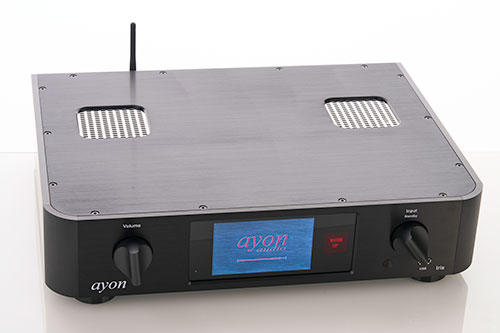
Ayon Iris Signature Streamer
Auf der High End Vienna haben Dirk Sommer und ich den Ayon Iris erstmals entdeckt – nun steht der außergewöhnliche Streaming-Player bei uns bereits zum Test. So frisch ist der Iris, dass selbst die Roon-Zertifizierung zum Testzeitpunkt noch läuft. Brandneu, doch der Iris kommt keineswegs aus dem Nichts: Wer die Entwicklung der digitalen Ayon-Komponenten verfolgt hat, erkennt eine kontinuierliche Beschäftigung mit dem Thema Streaming. Auch wir konnten diesen Weg begleiten – nach dem S3 und…01.09.2026 -
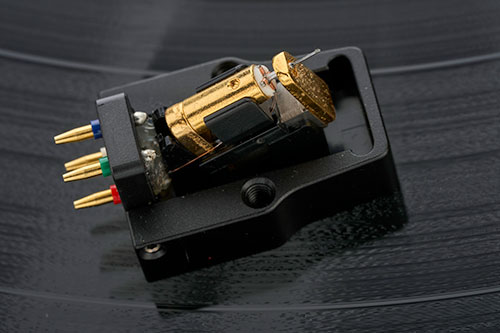
Sumiko Starling
Mein letzter Test eines Tonabnehmersystems befasste sich mit dem Sumiko Oriole. Nun drehen sich für diesen Test meine Schallplatten unter dem Sumiko Starling, dem teuersten System aus der Sumiko Referenz Serie. Nachdem ich überaus positiv überrascht vom Test des Oriole war und dies Peter Laitenberger vom deutschen ATR Vertrieb mitteilte, empfahl mir dieser mir doch einmal das Sumiko Starling anzuhören. Gesagt, getan und bereits wenige Tage später kam das kleine Päckchen mit dem Starling zu…28.08.2026 -
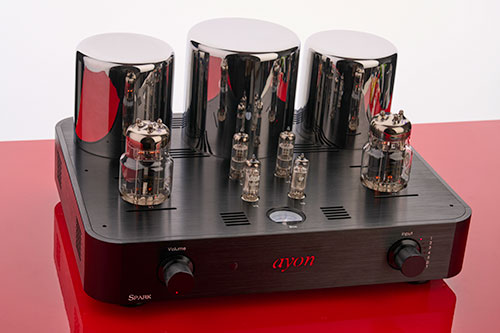
Ayon Spark V
Der Röhrenvollverstärker Spark ist mittlerweile seit über 20 Jahren ein fester Bestandteil des Produktportfolios von Ayon. Preislich eher im Einstiegssegment der Österreicher und nominell unterhalb der Evolution-Serie angesiedelt, hat dieses Gerät aufgrund der eingesetzten russischen Triode 6C33 das Potenzial zum Hidden Champion. Spätestens seit meinem Test des Boliden Ayon Crossfire Evo maße ich mir an, ein Kenner der Marke Ayon zu sein, zumal mir diverse andere Geräte der Marke im Laufe der Jahre zu Gehör…25.08.2026 


-
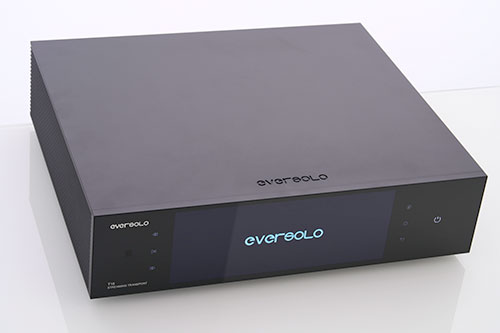
Eversolo T10
Eversolos Streamer DMP-A10 beeindruckte mit seinem hervorragenden Preis/Leistungsverhältnis und seiner prallen Ausstattungsfülle. Aber in meiner Kette im Wohnzimmer mit M-Scaler und HUGO 2 arbeitet er nur als reiner Datenlieferant. Kann das Eversolos neuer Streaming Transport T10 noch besser? Zumindest nach dem ersten Blick auf das rückseitige Anschlussfeld darf man das vermuten, denn dort befinden sich wie beim Eversolo DAC-Z10 zwei BNC-Anschlüsse für die Verbindung mit einer externen Clock, entweder mit einer Impedanz von 75 oder…21.08.2026 -
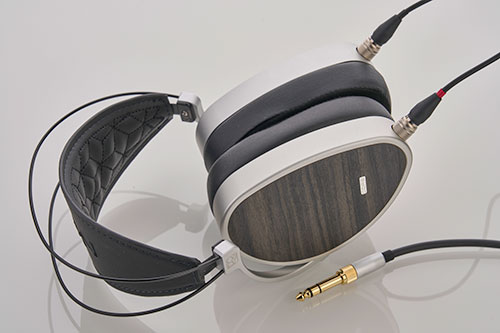
Dan Clark Audio Aeon Core
Anfang letzten Jahres stellte ich den Dan Clark Audio Noire X vor, dessen Klangsignatur der meines absoluten Favoriten, dem Stealth, sehr nahe kommt – und das zu einem Viertel des Preises des Dan Clark Audio-Topmodells. Jetzt charakterisiert der kalifornische Kopfhörerspezialist den Aeon Core sehr ähnlich: „Flagship Performance. Breakthrough Price.“ Dazu, wie sich die Hierarchie zwischen Stealth, Noire X und Aeon Core darstellt, möchte ich später kommen, denn bei seiner Arbeit für den Aeon Core ging…14.08.2026 -
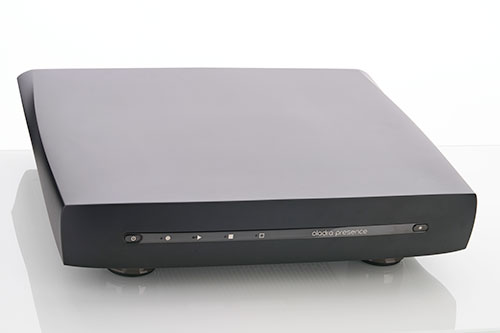
Oladra Presence
Die Server und Streamer von Antipodes Audio sind kostspielig. Das ist nicht neu. Sie bieten für's Geld eine hervorragende Klangqualität. Das begann seinerzeit für mich mit dem EX, ging über die S-Serie zum K50 und schließlich sogar bis zum Oladra G4. Jetzt steht der brandneue Oladra Presence bei mir zum Test. Der Oladra Presence kostet enorme 58.000 Euro. Das ist für mich eigentlich Grund genug, mich nicht mit ihm zu befassen. Aber mein Interesse und…11.08.2026
© 2026 | HIFISTATEMENT | netmagazine | Alle Rechte vorbehalten | Impressum | Datenschutz


Einige Hifistatement-Autoren benutzen
Qobuz Sublime+ Abonnements.

Einige Hifistatement-Autoren besitzen
eine roon Mitgliedschaft.

Einige Hifistatement-Autoren besitzen
die JPLAY hi-fi app.

Einige Hifistatement-Autoren besitzen
den Audirvana Plus 3 Music Player.