


 |
|Yes, you have already seen above lead picture here recently. But you certainly haven't read the associated new text. This is because Carsten Bussler didn't try out neither the input for the DS Audio cartridges, which operate with two light sources and light-sensitive resistors, nor the headphone output. I'll make up for that now.
Carsten Bussler, actually the tube specialist within the Hifistatement crew, owned a small Stax headphone model for a long time, but then lost sight of the subject a bit, even though his interest was recently rekindled: He currently has two promising representatives of this type of device at home. Of course, I could have sent him one or two headphones from my collection to use with the KECES preamplifier, but he preferred to concentrate on familiar territory and therefore left this aspect of the test to me, as I have been working with this type of transducer for years and also have a comparison object to hand in the form of the SPL Phonitor x.

However, things are a little different with the photoelectric cartridges from DS Audio: None of us have gathered any experience in this field. In view of the fact that DS Audio has officially published the specifications for the required phono equalizers, and more and more electronics specialists are now offering or at least announcing phono amps for this special type of cartridge system, it's time for Hifistatement to take up this topic too. But more on that later. So, let's stay with the KECES headphone output for now. This is designed as a 4-pin XLR socket, which leads to the assumption that there are two balanced amplifier sections feeding it. On the KECES website, there is no specific statement about the headphone output, only the rather generalized statement that the S4 has a "fully balanced design and a large selection of balanced (XLR) and unbalanced (RCA) inputs and corresponding outputs".
In any case, there is not the slightest problem when connecting the Sendy Audio Peacock with its balanced cabling to the KECES - on the contrary. The KECES is connected via the balanced Audioquest Dragon to the digital playback gear in the listening room, specifically to Chord Electronics' DAVE. On the record Ruta And Daitya, "Sounds Of Peru: Submerge / Awakening" would be the first track on the almost unheard second side. That's why I'm now skipping the familiar first four files in the digital version. S4 and Peacock do not only reproduce Jack DeJohnette's strikes on the tablas within a virtual room in a precise and dynamic manner, but also, shortly before Keith Jarrett enters on the grand piano, discloses a slight change within the sonic image. Here the sound engineer has just turned up the controls for the second instrument. Fortunately, even such fine details do not distract from the music itself. On "Algeria", Keith Jarrett switches to the flute and the rhythmic drive of these almost archaic instruments doesn't leave me untouched for a second.


-
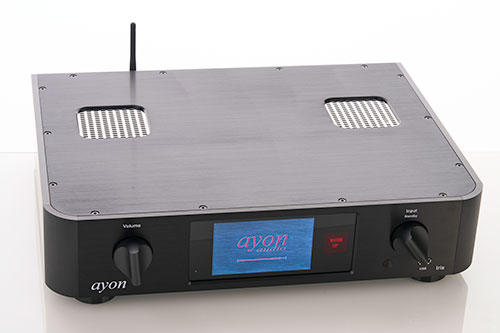
Ayon Iris Signature Streamer
Auf der High End Vienna haben Dirk Sommer und ich den Ayon Iris erstmals entdeckt – nun steht der außergewöhnliche Streaming-Player bei uns bereits zum Test. So frisch ist der Iris, dass selbst die Roon-Zertifizierung zum Testzeitpunkt noch läuft. Brandneu, doch der Iris kommt keineswegs aus dem Nichts: Wer die Entwicklung der digitalen Ayon-Komponenten verfolgt hat, erkennt eine kontinuierliche Beschäftigung mit dem Thema Streaming. Auch wir konnten diesen Weg begleiten – nach dem S3 und…01.09.2026 -
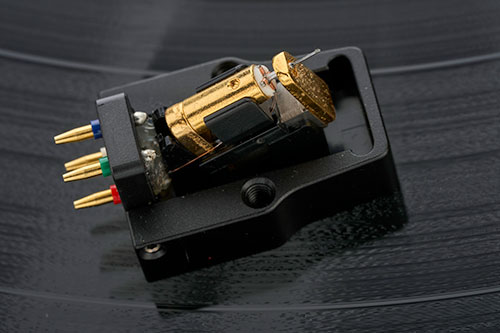
Sumiko Starling
Mein letzter Test eines Tonabnehmersystems befasste sich mit dem Sumiko Oriole. Nun drehen sich für diesen Test meine Schallplatten unter dem Sumiko Starling, dem teuersten System aus der Sumiko Referenz Serie. Nachdem ich überaus positiv überrascht vom Test des Oriole war und dies Peter Laitenberger vom deutschen ATR Vertrieb mitteilte, empfahl mir dieser mir doch einmal das Sumiko Starling anzuhören. Gesagt, getan und bereits wenige Tage später kam das kleine Päckchen mit dem Starling zu…28.08.2026 -
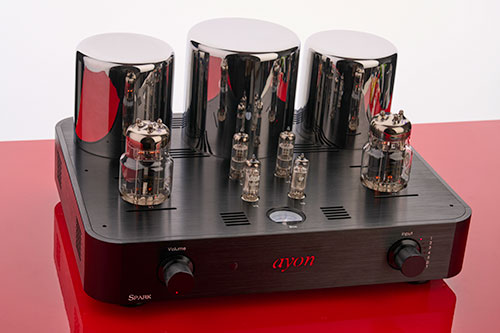
Ayon Spark V
Der Röhrenvollverstärker Spark ist mittlerweile seit über 20 Jahren ein fester Bestandteil des Produktportfolios von Ayon. Preislich eher im Einstiegssegment der Österreicher und nominell unterhalb der Evolution-Serie angesiedelt, hat dieses Gerät aufgrund der eingesetzten russischen Triode 6C33 das Potenzial zum Hidden Champion. Spätestens seit meinem Test des Boliden Ayon Crossfire Evo maße ich mir an, ein Kenner der Marke Ayon zu sein, zumal mir diverse andere Geräte der Marke im Laufe der Jahre zu Gehör…25.08.2026 


-
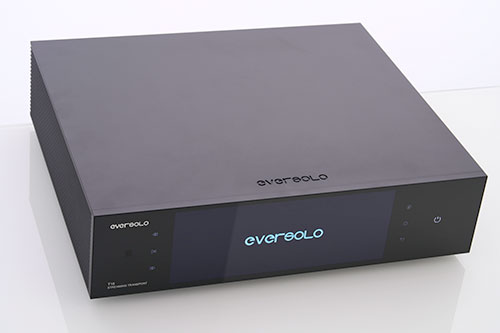
Eversolo T10
Eversolos Streamer DMP-A10 beeindruckte mit seinem hervorragenden Preis/Leistungsverhältnis und seiner prallen Ausstattungsfülle. Aber in meiner Kette im Wohnzimmer mit M-Scaler und HUGO 2 arbeitet er nur als reiner Datenlieferant. Kann das Eversolos neuer Streaming Transport T10 noch besser? Zumindest nach dem ersten Blick auf das rückseitige Anschlussfeld darf man das vermuten, denn dort befinden sich wie beim Eversolo DAC-Z10 zwei BNC-Anschlüsse für die Verbindung mit einer externen Clock, entweder mit einer Impedanz von 75 oder…21.08.2026 -
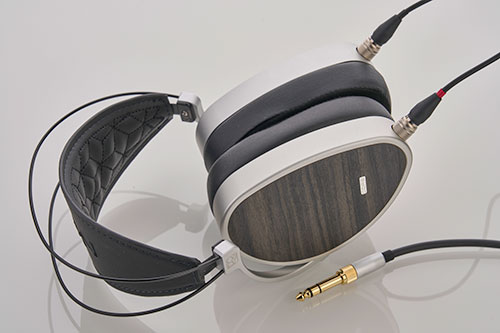
Dan Clark Audio Aeon Core
Anfang letzten Jahres stellte ich den Dan Clark Audio Noire X vor, dessen Klangsignatur der meines absoluten Favoriten, dem Stealth, sehr nahe kommt – und das zu einem Viertel des Preises des Dan Clark Audio-Topmodells. Jetzt charakterisiert der kalifornische Kopfhörerspezialist den Aeon Core sehr ähnlich: „Flagship Performance. Breakthrough Price.“ Dazu, wie sich die Hierarchie zwischen Stealth, Noire X und Aeon Core darstellt, möchte ich später kommen, denn bei seiner Arbeit für den Aeon Core ging…14.08.2026 -
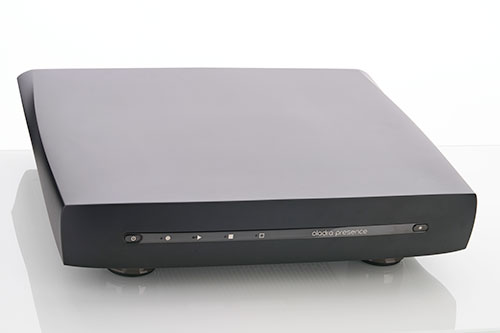
Oladra Presence
Die Server und Streamer von Antipodes Audio sind kostspielig. Das ist nicht neu. Sie bieten für's Geld eine hervorragende Klangqualität. Das begann seinerzeit für mich mit dem EX, ging über die S-Serie zum K50 und schließlich sogar bis zum Oladra G4. Jetzt steht der brandneue Oladra Presence bei mir zum Test. Der Oladra Presence kostet enorme 58.000 Euro. Das ist für mich eigentlich Grund genug, mich nicht mit ihm zu befassen. Aber mein Interesse und…11.08.2026
© 2026 | HIFISTATEMENT | netmagazine | Alle Rechte vorbehalten | Impressum | Datenschutz


Einige Hifistatement-Autoren benutzen
Qobuz Sublime+ Abonnements.

Einige Hifistatement-Autoren besitzen
eine roon Mitgliedschaft.

Einige Hifistatement-Autoren besitzen
die JPLAY hi-fi app.

Einige Hifistatement-Autoren besitzen
den Audirvana Plus 3 Music Player.