


 |
|The positive effects on the sonic performance of positioning power amplifiers and turntables – in the latter case, for reasons of usability, only on a piece of supporting furniture – could certainly be enhanced, thought Luis Fernandes, and so he designed the Statement version, placing no restrictions on himself in terms of materials and costs: Four honeycomb cores are used, with carbon fibre layers between them. The upper and lower cover layers are added to these three. In addition, a reinforcing structure is incorporated into the second layer of honeycomb core material from the bottom, to which the four – or, on request and at extra cost, five – Cerabase classic feet are attached. A version with an even more precise spirit level is designed specifically for the use with turntables, as perfectly horizontal alignment is even more important here than with power amplifiers.

Now, one could argue at length about whether it makes sense to place a power amplifier on a base that costs about a third of the price of the amplifier itself. What's more, I'm not inclined to present hi-fi components in such a way that they vaguely resemble an altar. But you can also simply listen to a conclusive track such as the first movement of Mahler's Symphony No. 3 with the Bavarian Radio Symphony Orchestra conducted by Mariss Jansons two or three times while the Einstein amp still rests on the Carbofibre° HD, then swap it for the Carbofibre° Statement, start the file again – and remain completely perplexed in your listening chair! This is not about marginalia, no, it really isn’t. If someone had done a blind test with me and told me that they had integrated an even higher-class power amplifier into the chain during the last listening run, I would have believed them without question: The sonic image is now significantly larger and extends beyond the base width of the speakers. Impulses leave an even stronger impression, and transients impress with their immediacy. The image is now even more precisely defined. The depth gradation on the stage, which now extends a good deal further into the room, gains in three-dimensionality. And all this just because of a base—albeit an extremely elaborate and rather expensive one? Almost unbelievable, and yet true!

Of course, I listened to a whole range of my relevant test tracks, but not to rave about which of the disciplines I just mentioned the Einstein performs better in than on the HD version thanks to the Carbofibre° Statement. I was simply curious to see whether more and better in so many criteria could not also be too much of a good thing. So far, I have not found anything to dampen my enthusiasm. As long as that remains the case, Finite Elemente's Carbofibre° Statement will have its place at the top of my “must-have list.”


-
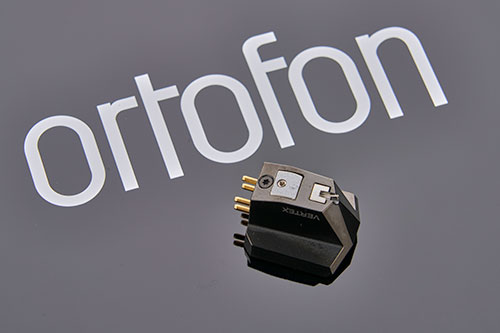
Ortofon MC Vertex
Die bisherigen Topmodelle von Ortofon, das Anna, das Anna Diamond und das Diamond, ähnelten einander auch optisch stark. Das Vertex macht schon durch sein Erscheinungsbild klar, dass es anders ist. Es ist der erste Tonabnehmer mit einem Diamanten mit Vertex-Schliff. Soweit mir bekannt, ist das der erste neue Nadelschliff seit rund 40 Jahren. Aber das ist nicht die einzige Veränderung gegenüber dem MC Diamond: Der Generator des Vertex besitzt einen deutlich höheren Innenwiderstand, die Nadelnachgiebigkeit…15.09.2006 -
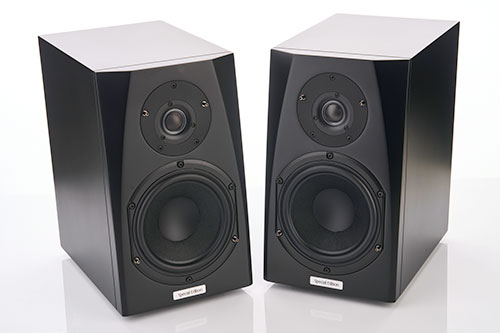
Phonar Veritas M4.2 SE
Es hat mir bislang stets Vergnügen bereitet, mich mit Phonar Lautsprechern zu beschäftigen. Nach einem Test kaufte ich die Veritas 9.2 SE und genieße seitdem ihre Musikalität. Phonar überzeugte immer wieder mit einem außergewöhnlich attraktiven Preis-Klang-Verhältnis. Bestätigt die neue, kompakte Phonar Veritas M4.2 SE diese Erfahrungen? Mein eindrucksvollstes Phonar-Erlebnis hatte ich vor zwei Jahren mit der Standbox Veritas p4.2 Next, die aktuell für einen Paarpreis von 2400 Euro auf der Phonar-Website zu sehen ist. Genau…08.09.2026 -
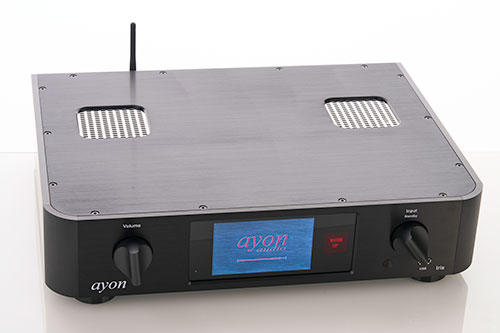
Ayon Iris Signature Streamer
Auf der High End Vienna haben Dirk Sommer und ich den Ayon Iris erstmals entdeckt – nun steht der außergewöhnliche Streaming-Player bei uns bereits zum Test. So frisch ist der Iris, dass selbst die Roon-Zertifizierung zum Testzeitpunkt noch läuft. Brandneu, doch der Iris kommt keineswegs aus dem Nichts: Wer die Entwicklung der digitalen Ayon-Komponenten verfolgt hat, erkennt eine kontinuierliche Beschäftigung mit dem Thema Streaming. Auch wir konnten diesen Weg begleiten – nach dem S3 und…01.09.2026 


-
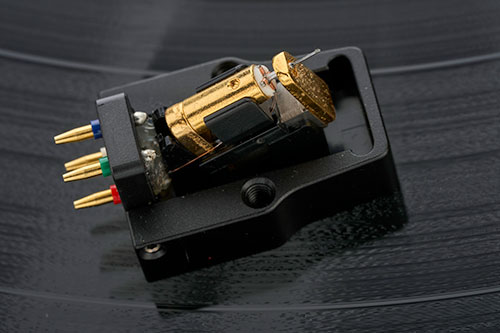
Sumiko Starling
Mein letzter Test eines Tonabnehmersystems befasste sich mit dem Sumiko Oriole. Nun drehen sich für diesen Test meine Schallplatten unter dem Sumiko Starling, dem teuersten System aus der Sumiko Referenz Serie. Nachdem ich überaus positiv überrascht vom Test des Oriole war und dies Peter Laitenberger vom deutschen ATR Vertrieb mitteilte, empfahl mir dieser mir doch einmal das Sumiko Starling anzuhören. Gesagt, getan und bereits wenige Tage später kam das kleine Päckchen mit dem Starling zu…28.08.2026 -
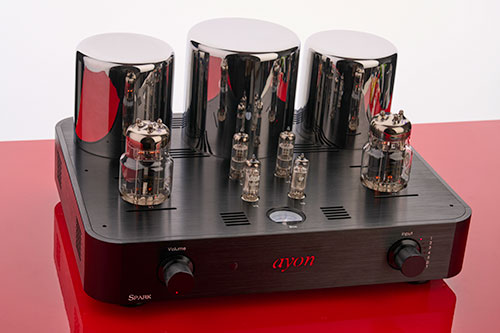
Ayon Spark V
Der Röhrenvollverstärker Spark ist mittlerweile seit über 20 Jahren ein fester Bestandteil des Produktportfolios von Ayon. Preislich eher im Einstiegssegment der Österreicher und nominell unterhalb der Evolution-Serie angesiedelt, hat dieses Gerät aufgrund der eingesetzten russischen Triode 6C33 das Potenzial zum Hidden Champion. Spätestens seit meinem Test des Boliden Ayon Crossfire Evo maße ich mir an, ein Kenner der Marke Ayon zu sein, zumal mir diverse andere Geräte der Marke im Laufe der Jahre zu Gehör…25.08.2026 -
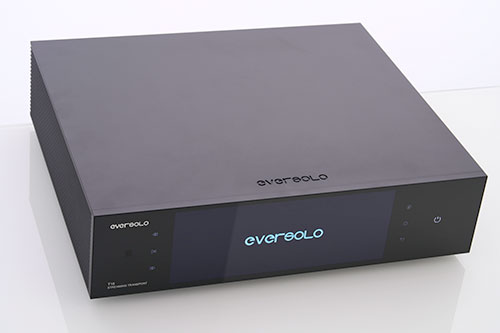
Eversolo T10
Eversolos Streamer DMP-A10 beeindruckte mit seinem hervorragenden Preis/Leistungsverhältnis und seiner prallen Ausstattungsfülle. Aber in meiner Kette im Wohnzimmer mit M-Scaler und HUGO 2 arbeitet er nur als reiner Datenlieferant. Kann das Eversolos neuer Streaming Transport T10 noch besser? Zumindest nach dem ersten Blick auf das rückseitige Anschlussfeld darf man das vermuten, denn dort befinden sich wie beim Eversolo DAC-Z10 zwei BNC-Anschlüsse für die Verbindung mit einer externen Clock, entweder mit einer Impedanz von 75 oder…21.08.2026
© 2026 | HIFISTATEMENT | netmagazine | Alle Rechte vorbehalten | Impressum | Datenschutz


Einige Hifistatement-Autoren benutzen
Qobuz Sublime+ Abonnements.

Einige Hifistatement-Autoren besitzen
eine roon Mitgliedschaft.

Einige Hifistatement-Autoren besitzen
die JPLAY hi-fi app.

Einige Hifistatement-Autoren besitzen
den Audirvana Plus 3 Music Player.