


 |
|Ansuz Acoustics Digitalz D-TC Supreme, Mainz D2 und Darkz D-TC Supreme
Not that I am very much puzzled: Back then, when testing the SOtM switch in combination with the 10 megahertz clock, Oliver Goebel dropped by out of pure curiosity and brought along one of his Lacorde Statement power cables to connect to the Keces power supply that supplied the clock. We tried this out on the linear power supply, which is just a tenth of the price of the power cable: With it, the SOtM combo even sounded a touch better. For obvious reasons, I haven’t published anything about this experiment so far. But, once you hop on the highest expansion stage of Ansuz' digital signal distribution, you have nothing left to lose. And I might as well confess that even the phasing of Goebel's power cord had been audible. When it comes to such shared experiences, my colleague Roland Dietl uses to say, "The extremely high resolution of a system certainly isn’t a blessing at all." But it’s tremendously helpful if you want to know what is technically or sonically feasible.

Now that the splendid Jeff Rowland combo is on the way back to its distributor, I finally ended up in enjoying a bunch of records again and all the digital components are getting their power from Audioquest’s Niagara 1200, I find that it's time to busy myself with the Digitalz D-TC Supreme Ethernet cables. Since they were designed for use with a PowerSwitch or a PowerBox, I will only listen to them with the respective AC power source connected. To do this, I connect the thin four-pole cable supplied with the D-TC Supreme to one of the sockets on the PowerSwitch, which previously had proven its enormous abilities in conjunction with the Goebel Lacorde Statement Ethernet. The first D-TC Supreme therefore replaces the Goebel counterpart between switch and router: Immediately, I take pleasure in a bit more of thrust in the low frequency range. The tonal balance gets slightly relocated, the sonic image now appears a bit warmer and more rounded. And best of all: The superb spatial imaging and the enormous attention to detail are not prone to suffer from this venture at all.
Before I spend too much time pondering whether the now minimally muted high frequency range within the playback might cause a meticulous loss of freshness, I swap the cable between Melco and PowerSwitch. Subjectively, the set plays two or three beats per minute faster, while the bass hasn’t lost any of its power and the highs delight with a bit more airiness, being neither accompanied by roughness nor dissected by excessive analysis. Now I can enjoy that dram of more pressure in the lows without having the sonic balance shifted. While searching for a test piece to accomplish the last cable swap, namely the one between switch and Auralic Aries G1, I get stuck on Arild Andersen's album If You Look Far Enough and its track "If You Look": incredibly dense percussion, spacey synth sounds and bass. I've never heard the small bells, bigger bells and the rest of the brass as nuanced as now. The low drums in the second half of the track – as played through the Goebel Epoque Aeon Fine – unfold with yet heard impact, while the sound layers extend widely and deeply into the room. Beware, for a meaningful comparison, this impressive well over three minute long sound spectacle is simply too complex. Thanks to the PowerSwitch and the two Ansuz Ethernet cables, and even on the third or fourth listen, I would certainly still discover one or two detail bits here and more intense or even new tonal colours there.


-
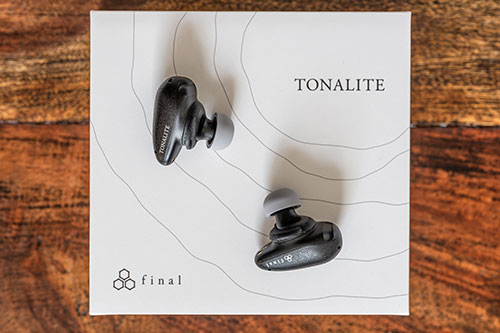
Final Tonalite
Finals Tonalite ist nicht nur ein neuer In-Ear, sondern macht gleichzeitig Finals Timbreanpassung jedem Nutzer mittels einer App zugänglich. Seit der noch etwas kryptischen Ankündigung dieser Technologie auf der High End 2022 habe ich Ihnen über den Entwicklungsprozess berichtet. Das fertige Produkt halte ich persönlich für einen Meilenstein. Tonalite ist eine grundlegende Neuentwicklung mit neuem Formfaktor und neuer Technik. Die Tonalite In-Ears verfügen über eine eher ovale Form, in der die gesamte Elektronik untergebracht ist.…25.09.2026 -
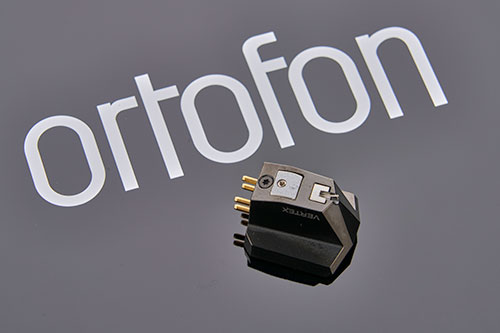
Ortofon MC Vertex
Die bisherigen Topmodelle von Ortofon, das Anna, das Anna Diamond und das Diamond, ähnelten einander auch optisch stark. Das Vertex macht schon durch sein Erscheinungsbild klar, dass es anders ist. Es ist der erste Tonabnehmer mit einem Diamanten mit Vertex-Schliff. Soweit mir bekannt, ist das der erste neue Nadelschliff seit rund 40 Jahren. Aber das ist nicht die einzige Veränderung gegenüber dem MC Diamond: Der Generator des Vertex besitzt einen deutlich höheren Innenwiderstand, die Nadelnachgiebigkeit…15.09.2026 -
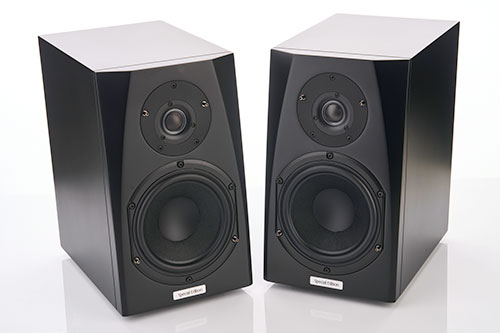
Phonar Veritas M4.2 SE
Es hat mir bislang stets Vergnügen bereitet, mich mit Phonar Lautsprechern zu beschäftigen. Nach einem Test kaufte ich die Veritas 9.2 SE und genieße seitdem ihre Musikalität. Phonar überzeugte immer wieder mit einem außergewöhnlich attraktiven Preis-Klang-Verhältnis. Bestätigt die neue, kompakte Phonar Veritas M4.2 SE diese Erfahrungen? Mein eindrucksvollstes Phonar-Erlebnis hatte ich vor zwei Jahren mit der Standbox Veritas p4.2 Next, die aktuell für einen Paarpreis von 2400 Euro auf der Phonar-Website zu sehen ist. Genau…08.09.2026 


-
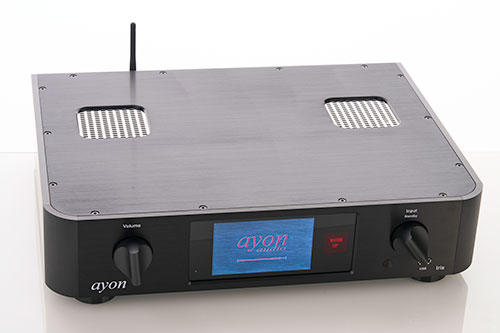
Ayon Iris Signature Streamer
Auf der High End Vienna haben Dirk Sommer und ich den Ayon Iris erstmals entdeckt – nun steht der außergewöhnliche Streaming-Player bei uns bereits zum Test. So frisch ist der Iris, dass selbst die Roon-Zertifizierung zum Testzeitpunkt noch läuft. Brandneu, doch der Iris kommt keineswegs aus dem Nichts: Wer die Entwicklung der digitalen Ayon-Komponenten verfolgt hat, erkennt eine kontinuierliche Beschäftigung mit dem Thema Streaming. Auch wir konnten diesen Weg begleiten – nach dem S3 und…01.09.2026 -
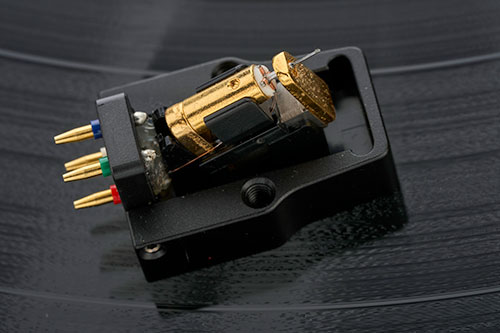
Sumiko Starling
Mein letzter Test eines Tonabnehmersystems befasste sich mit dem Sumiko Oriole. Nun drehen sich für diesen Test meine Schallplatten unter dem Sumiko Starling, dem teuersten System aus der Sumiko Referenz Serie. Nachdem ich überaus positiv überrascht vom Test des Oriole war und dies Peter Laitenberger vom deutschen ATR Vertrieb mitteilte, empfahl mir dieser mir doch einmal das Sumiko Starling anzuhören. Gesagt, getan und bereits wenige Tage später kam das kleine Päckchen mit dem Starling zu…28.08.2026 -
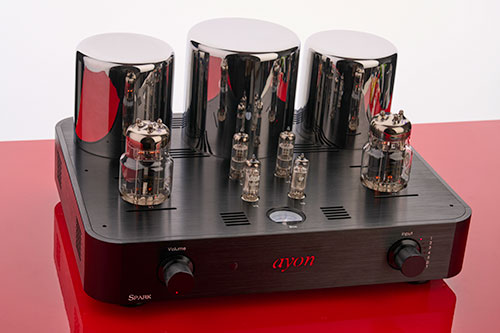
Ayon Spark V
Der Röhrenvollverstärker Spark ist mittlerweile seit über 20 Jahren ein fester Bestandteil des Produktportfolios von Ayon. Preislich eher im Einstiegssegment der Österreicher und nominell unterhalb der Evolution-Serie angesiedelt, hat dieses Gerät aufgrund der eingesetzten russischen Triode 6C33 das Potenzial zum Hidden Champion. Spätestens seit meinem Test des Boliden Ayon Crossfire Evo maße ich mir an, ein Kenner der Marke Ayon zu sein, zumal mir diverse andere Geräte der Marke im Laufe der Jahre zu Gehör…25.08.2026
© 2026 | HIFISTATEMENT | netmagazine | Alle Rechte vorbehalten | Impressum | Datenschutz


Einige Hifistatement-Autoren benutzen
Qobuz Sublime+ Abonnements.

Einige Hifistatement-Autoren besitzen
eine roon Mitgliedschaft.

Einige Hifistatement-Autoren besitzen
die JPLAY hi-fi app.

Einige Hifistatement-Autoren besitzen
den Audirvana Plus 3 Music Player.