


 |
|
The question concerning the sonic differences between WLAN and LAN cabling is not difficult to answer. Under favourable conditions, a WLAN connection can sound better than a shoddy cable connection to the router. However, a high-quality LAN cable is clearly better. To determine whether this is the case, my listening test excluded an Ansuz component for the time being and started by comparing a customary, inexpensive ten-meter long CAT7 LAN cable to an even a few meters longer Cat700 Carbon from Audioquest, which is sold by the metre for 65 euros plus cable confection with Telegärtner plugs. The price difference is no trifling matter at all, but it’s also immediately audible. I listened to the in terms of recording quality and atmosphere highly convincing live album of the exceptional Norwegian vocalist Radka Toneff, accompanied by top-class musicians and recorded at Uncle Pö in Hamburg in CD resolution through Qobuz. The added value of the expensive Audioquest is obvious. Above all, spatial depth, structure and fine detail gain immensely. Everything seems to be more palpable. The financial expenditure is more than adequately rewarded with a clear increase in quality.
So, though being now confident that a high-quality LAN cable is the first sensible investment to undertake, nevertheless a question arises: Does a switch already pay off at this point, even if its switching and distribution performance is not required at all? To top it all, there is only one connection that we are dealing with. And, to what extent does it influence the sound even in this configuration? Is it able to perhaps partially or even completely blur or compensate for the differences between the Audioquest LAN cable, a simple LAN line and a WLAN transmission using a TP-Link client, and let the investment in the Audioquest Carbon become obsolete? Or, will the differences between the cables become even more obvious through the switch?

To loop in the switch, we naturally need another LAN cable to route the digital signal to the music computer. In my case, two meters are more than sufficient, since the switch has found its place between the digital components of my system. It’s very common to install even a long connection to the switch and to use short distances from there to the terminal devices such as computers, streamers, NAS or servers. Fortunately, Ansuz supplied the PowerSwitch A2 with three two meters long Digitalz Ethernet Cable A2. One of them now connects the switch to the computer. There is one more thing I need to mention because it will become important later on: The Ansuz Acoustics A2, like all my music components, got gentrified with an Audioquest Hurricane power cable, namely in the Source version. The PowerSwitch was set up on its integrated hard feet, which are formed from three concentric aluminum rings to accommodate for the special Darkz absorber feet if necessary, and have got neither rubber, felt nor plastic elements that are gentle to furniture. This is done for musical reasons, because the hard coupling to the installation surface is intentional.


-
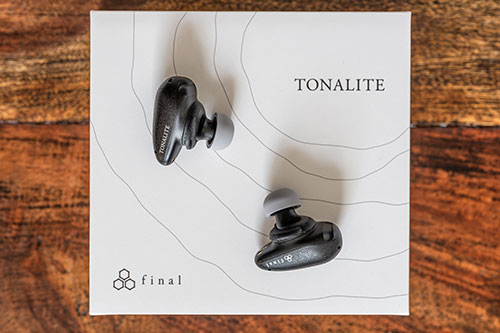
Final Tonalite
Finals Tonalite ist nicht nur ein neuer In-Ear, sondern macht gleichzeitig Finals Timbreanpassung jedem Nutzer mittels einer App zugänglich. Seit der noch etwas kryptischen Ankündigung dieser Technologie auf der High End 2022 habe ich Ihnen über den Entwicklungsprozess berichtet. Das fertige Produkt halte ich persönlich für einen Meilenstein. Tonalite ist eine grundlegende Neuentwicklung mit neuem Formfaktor und neuer Technik. Die Tonalite In-Ears verfügen über eine eher ovale Form, in der die gesamte Elektronik untergebracht ist.…25.09.2026 -
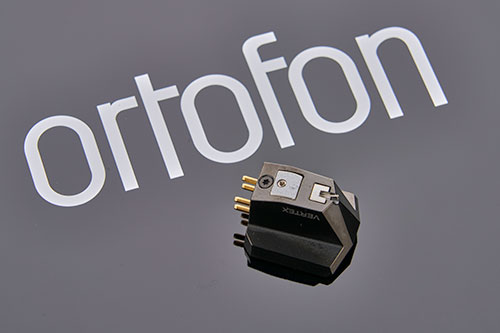
Ortofon MC Vertex
Die bisherigen Topmodelle von Ortofon, das Anna, das Anna Diamond und das Diamond, ähnelten einander auch optisch stark. Das Vertex macht schon durch sein Erscheinungsbild klar, dass es anders ist. Es ist der erste Tonabnehmer mit einem Diamanten mit Vertex-Schliff. Soweit mir bekannt, ist das der erste neue Nadelschliff seit rund 40 Jahren. Aber das ist nicht die einzige Veränderung gegenüber dem MC Diamond: Der Generator des Vertex besitzt einen deutlich höheren Innenwiderstand, die Nadelnachgiebigkeit…15.09.2026 -
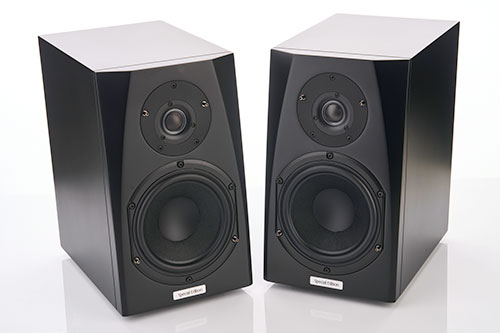
Phonar Veritas M4.2 SE
Es hat mir bislang stets Vergnügen bereitet, mich mit Phonar Lautsprechern zu beschäftigen. Nach einem Test kaufte ich die Veritas 9.2 SE und genieße seitdem ihre Musikalität. Phonar überzeugte immer wieder mit einem außergewöhnlich attraktiven Preis-Klang-Verhältnis. Bestätigt die neue, kompakte Phonar Veritas M4.2 SE diese Erfahrungen? Mein eindrucksvollstes Phonar-Erlebnis hatte ich vor zwei Jahren mit der Standbox Veritas p4.2 Next, die aktuell für einen Paarpreis von 2400 Euro auf der Phonar-Website zu sehen ist. Genau…08.09.2026 


-
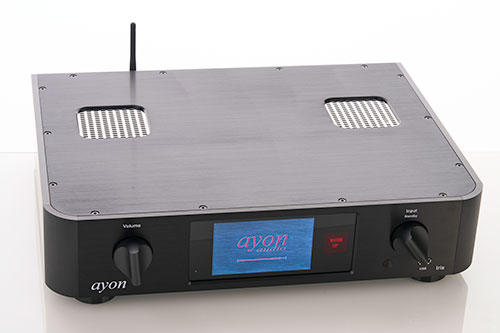
Ayon Iris Signature Streamer
Auf der High End Vienna haben Dirk Sommer und ich den Ayon Iris erstmals entdeckt – nun steht der außergewöhnliche Streaming-Player bei uns bereits zum Test. So frisch ist der Iris, dass selbst die Roon-Zertifizierung zum Testzeitpunkt noch läuft. Brandneu, doch der Iris kommt keineswegs aus dem Nichts: Wer die Entwicklung der digitalen Ayon-Komponenten verfolgt hat, erkennt eine kontinuierliche Beschäftigung mit dem Thema Streaming. Auch wir konnten diesen Weg begleiten – nach dem S3 und…01.09.2026 -
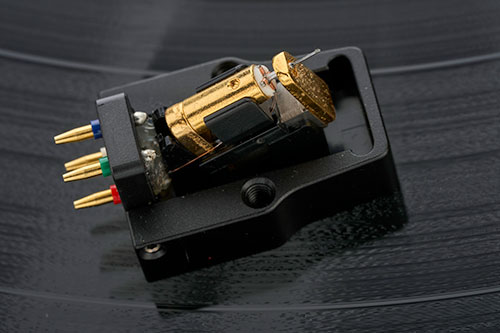
Sumiko Starling
Mein letzter Test eines Tonabnehmersystems befasste sich mit dem Sumiko Oriole. Nun drehen sich für diesen Test meine Schallplatten unter dem Sumiko Starling, dem teuersten System aus der Sumiko Referenz Serie. Nachdem ich überaus positiv überrascht vom Test des Oriole war und dies Peter Laitenberger vom deutschen ATR Vertrieb mitteilte, empfahl mir dieser mir doch einmal das Sumiko Starling anzuhören. Gesagt, getan und bereits wenige Tage später kam das kleine Päckchen mit dem Starling zu…28.08.2026 -
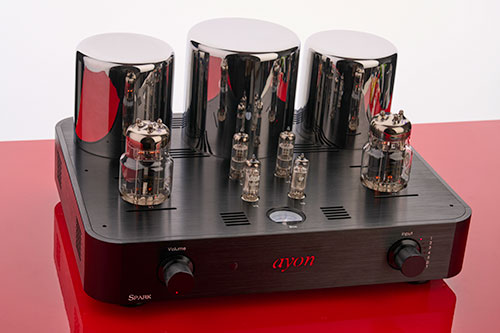
Ayon Spark V
Der Röhrenvollverstärker Spark ist mittlerweile seit über 20 Jahren ein fester Bestandteil des Produktportfolios von Ayon. Preislich eher im Einstiegssegment der Österreicher und nominell unterhalb der Evolution-Serie angesiedelt, hat dieses Gerät aufgrund der eingesetzten russischen Triode 6C33 das Potenzial zum Hidden Champion. Spätestens seit meinem Test des Boliden Ayon Crossfire Evo maße ich mir an, ein Kenner der Marke Ayon zu sein, zumal mir diverse andere Geräte der Marke im Laufe der Jahre zu Gehör…25.08.2026
© 2026 | HIFISTATEMENT | netmagazine | Alle Rechte vorbehalten | Impressum | Datenschutz


Einige Hifistatement-Autoren benutzen
Qobuz Sublime+ Abonnements.

Einige Hifistatement-Autoren besitzen
eine roon Mitgliedschaft.

Einige Hifistatement-Autoren besitzen
die JPLAY hi-fi app.

Einige Hifistatement-Autoren besitzen
den Audirvana Plus 3 Music Player.