


 |
|Jitterbugs have been permanent fixtures in my chain for almost six years. One sits between the Auralic Aries Femto and the Mytek Manhattan II, the other on a USB input of the Apple TimeMachine. In the meantime, Audioquest has reissued its successful model and equipped it with a metal housing: The Jitterbug Full Metal Jacket, or FMJ for short.
Since in the meantime, the TimeMachine no longer acts as a router but only serves as a backup, and it is isolated from the system via fiber optics and ADOT media converters just like the current router, I should perhaps check whether the Jitterbug still has any effect at this point. However, I wouldn't want to do without the one between the Aries and Manhattan by any means, even though the Aries must output a pretty clean signal, as experimenting with a Mutec Reclocker at this point has shown: At this point, the Mutec did not deliver any clear improvements. One could benevolently say that it made for an even calmer sound, but Roland Dietl and I agreed at the time that, used after the Aries, it made the reproduction seem tedious and unexciting. A Jitterbug, on the other hand, did what it almost always does at this point: it made the imaginary stage appear even more extensive, improved audibility, and presented dynamic contrasts even more impressively. And if I ever need music data directly from the MacBook's USB port for tests, a third Jitterbug is always part of the package.

But now to the new FMJ: Besides the material of the case, the closure of the rear USB socket has also been changed. It is now connected to the case, and carbon fibers are incorporated into the rubber to absorb high-frequency radiation. In the product information, Audioquest also mentions a "discrete dual circuit for noise dissipation" but does not state whether this was also found in the old Jitterbug and how it works exactly. The only way to get more insight into the Jitterbug FMJ is to try it out. While its developers recommend using it in conjunction with the DragonFly Black and Red, they do not make a clear recommendation for use with the Cobalt, which also contains parts of the filters used in the Jitterbug.

For a first encounter, I try out the Cobalt with the old and new Jitterbug. That is with Shostakovich's Symphony No.15 from an external USB hard drive. Audirvana acts as a audio player. Even in combination with the DragonFly Cobalt, the Jitterbug brings clear sonic advantages: You get a more realistic idea of the recording room. Even though I can't experience a depth gradation via headphones - in this case, the Sendy Audio Aiva - the individual instrument groups are now more clearly separated from each other, also spatially. The timbres are warmer, and the high frequencies do not even have a hint of roughness anymore. The reproduction also shows a bit more dynamics now. But you and I already knew that the Jitterbug almost always has a beneficial effect. So, I listen to the first movement of the symphony again with the Jitterbug FMJ. To say it right away, the differences here are not massive. When switching to the new model, the first thing you notice is that the music now flows a bit smoother. The piece also seems a bit more rhythmically exciting – an impression reinforced when the original model is inserted again between the MacBook and the DragonFly. As so often, the change for the better seems less spectacular, but the way back makes the previously achieved improvement ear-catching.


-
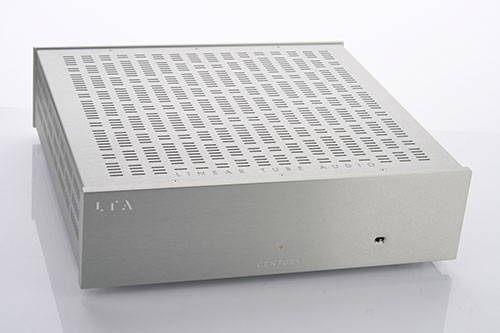
Linear Tube Audio Century
Century heißen die Röhren-Mono-Endverstärker von Linear Tube Audio, die ohne Ausgangsübertrager auskommen und sich dennoch grundlegend von anderen OTL-Konzepten unterscheiden. Wir haben uns intensiv damit beschäftigt, was die patentierte ZOTL-Technologie des Entwicklers so besonders macht und wie sie sich klanglich auswirkt. Für diesen Test haben Dirk Sommer und ich uns eine Arbeitsteilung vorgenommen, bei der ich (Carsten Bussler) mich auf die Technik der Century-Monos sowie die Hintergründe zu Linear Tube Audio und die Zusammenarbeit mit…29.09.2026 -
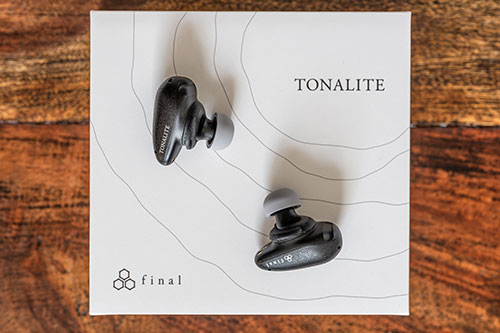
Final Tonalite
Finals Tonalite ist nicht nur ein neuer In-Ear, sondern macht gleichzeitig Finals Timbreanpassung jedem Nutzer mittels einer App zugänglich. Seit der noch etwas kryptischen Ankündigung dieser Technologie auf der High End 2022 habe ich Ihnen über den Entwicklungsprozess berichtet. Das fertige Produkt halte ich persönlich für einen Meilenstein. Tonalite ist eine grundlegende Neuentwicklung mit neuem Formfaktor und neuer Technik. Die Tonalite In-Ears verfügen über eine eher ovale Form, in der die gesamte Elektronik untergebracht ist.…25.09.2026 -
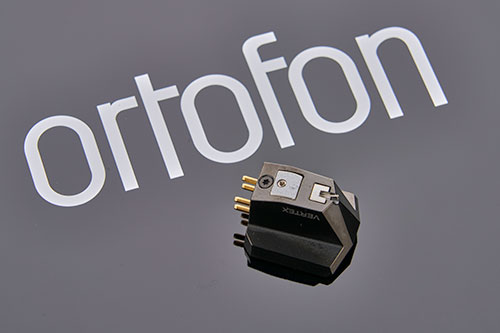
Ortofon MC Vertex
Die bisherigen Topmodelle von Ortofon, das Anna, das Anna Diamond und das Diamond, ähnelten einander auch optisch stark. Das Vertex macht schon durch sein Erscheinungsbild klar, dass es anders ist. Es ist der erste Tonabnehmer mit einem Diamanten mit Vertex-Schliff. Soweit mir bekannt, ist das der erste neue Nadelschliff seit rund 40 Jahren. Aber das ist nicht die einzige Veränderung gegenüber dem MC Diamond: Der Generator des Vertex besitzt einen deutlich höheren Innenwiderstand, die Nadelnachgiebigkeit…15.09.2026 


-
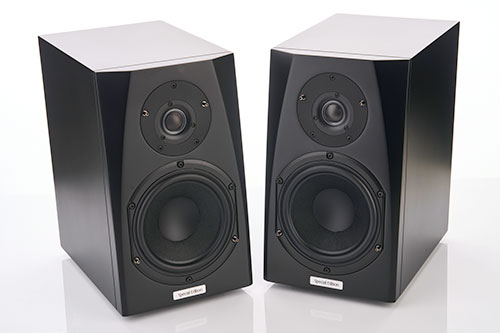
Phonar Veritas M4.2 SE
Es hat mir bislang stets Vergnügen bereitet, mich mit Phonar Lautsprechern zu beschäftigen. Nach einem Test kaufte ich die Veritas 9.2 SE und genieße seitdem ihre Musikalität. Phonar überzeugte immer wieder mit einem außergewöhnlich attraktiven Preis-Klang-Verhältnis. Bestätigt die neue, kompakte Phonar Veritas M4.2 SE diese Erfahrungen? Mein eindrucksvollstes Phonar-Erlebnis hatte ich vor zwei Jahren mit der Standbox Veritas p4.2 Next, die aktuell für einen Paarpreis von 2400 Euro auf der Phonar-Website zu sehen ist. Genau…08.09.2026 -
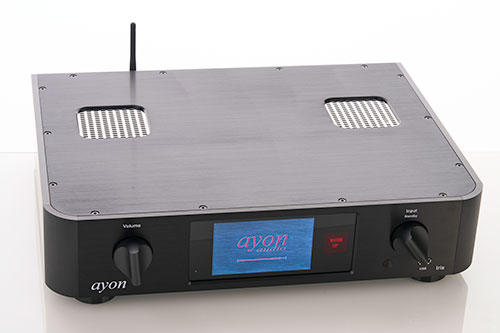
Ayon Iris Signature Streamer
Auf der High End Vienna haben Dirk Sommer und ich den Ayon Iris erstmals entdeckt – nun steht der außergewöhnliche Streaming-Player bei uns bereits zum Test. So frisch ist der Iris, dass selbst die Roon-Zertifizierung zum Testzeitpunkt noch läuft. Brandneu, doch der Iris kommt keineswegs aus dem Nichts: Wer die Entwicklung der digitalen Ayon-Komponenten verfolgt hat, erkennt eine kontinuierliche Beschäftigung mit dem Thema Streaming. Auch wir konnten diesen Weg begleiten – nach dem S3 und…01.09.2026 -
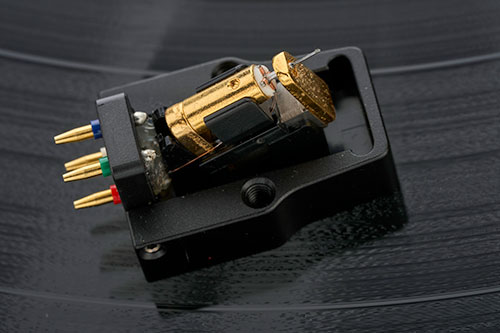
Sumiko Starling
Mein letzter Test eines Tonabnehmersystems befasste sich mit dem Sumiko Oriole. Nun drehen sich für diesen Test meine Schallplatten unter dem Sumiko Starling, dem teuersten System aus der Sumiko Referenz Serie. Nachdem ich überaus positiv überrascht vom Test des Oriole war und dies Peter Laitenberger vom deutschen ATR Vertrieb mitteilte, empfahl mir dieser mir doch einmal das Sumiko Starling anzuhören. Gesagt, getan und bereits wenige Tage später kam das kleine Päckchen mit dem Starling zu…28.08.2026
© 2026 | HIFISTATEMENT | netmagazine | Alle Rechte vorbehalten | Impressum | Datenschutz


Einige Hifistatement-Autoren benutzen
Qobuz Sublime+ Abonnements.

Einige Hifistatement-Autoren besitzen
eine roon Mitgliedschaft.

Einige Hifistatement-Autoren besitzen
die JPLAY hi-fi app.

Einige Hifistatement-Autoren besitzen
den Audirvana Plus 3 Music Player.