


 |
|Yes, you have already seen above lead picture here recently. But you certainly haven't read the associated new text. This is because Carsten Bussler didn't try out neither the input for the DS Audio cartridges, which operate with two light sources and light-sensitive resistors, nor the headphone output. I'll make up for that now.
Carsten Bussler, actually the tube specialist within the Hifistatement crew, owned a small Stax headphone model for a long time, but then lost sight of the subject a bit, even though his interest was recently rekindled: He currently has two promising representatives of this type of device at home. Of course, I could have sent him one or two headphones from my collection to use with the KECES preamplifier, but he preferred to concentrate on familiar territory and therefore left this aspect of the test to me, as I have been working with this type of transducer for years and also have a comparison object to hand in the form of the SPL Phonitor x.

However, things are a little different with the photoelectric cartridges from DS Audio: None of us have gathered any experience in this field. In view of the fact that DS Audio has officially published the specifications for the required phono equalizers, and more and more electronics specialists are now offering or at least announcing phono amps for this special type of cartridge system, it's time for Hifistatement to take up this topic too. But more on that later. So, let's stay with the KECES headphone output for now. This is designed as a 4-pin XLR socket, which leads to the assumption that there are two balanced amplifier sections feeding it. On the KECES website, there is no specific statement about the headphone output, only the rather generalized statement that the S4 has a "fully balanced design and a large selection of balanced (XLR) and unbalanced (RCA) inputs and corresponding outputs".
In any case, there is not the slightest problem when connecting the Sendy Audio Peacock with its balanced cabling to the KECES - on the contrary. The KECES is connected via the balanced Audioquest Dragon to the digital playback gear in the listening room, specifically to Chord Electronics' DAVE. On the record Ruta And Daitya, "Sounds Of Peru: Submerge / Awakening" would be the first track on the almost unheard second side. That's why I'm now skipping the familiar first four files in the digital version. S4 and Peacock do not only reproduce Jack DeJohnette's strikes on the tablas within a virtual room in a precise and dynamic manner, but also, shortly before Keith Jarrett enters on the grand piano, discloses a slight change within the sonic image. Here the sound engineer has just turned up the controls for the second instrument. Fortunately, even such fine details do not distract from the music itself. On "Algeria", Keith Jarrett switches to the flute and the rhythmic drive of these almost archaic instruments doesn't leave me untouched for a second.


-
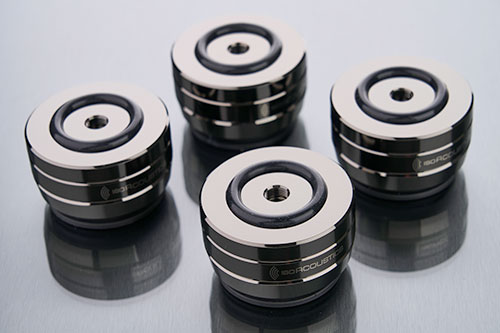
IsoAcoustics GAIA Neo I
Erinnern Sie sich noch? Es ist bereits eine ganze Weile her, da haben Hifi-Fans ihre Lautsprecher auf Tennisbälle gestellt, um einen besseren Klang aus ihnen herauszukitzeln. Oder sie haben abenteuerliche Selfmade-Konstruktionen gebastelt, auf denen die vielleicht nicht ganz highendigen Schallwandler platziert wurden. Das ist lange her und in der Zwischenzeit hat sich in Sachen Lautsprecher-Füße einiges getan. Es gibt eine große Zahl an Herstellern, die Basen, Spikes oder Ständer mit unterschiedlichen Konzepten und Materialien produzieren,…09.10.2026 -
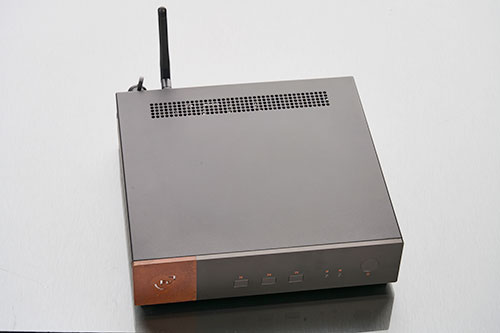
Ferrum BROEN
Auf der High End 2025 ließ man bei Ferrum durchblicken, dass an einem Streamer gearbeitet wird. Die Ferrum Streaming Control Technology, mit der die Musikwiedergabe mittels der Fernbedienung Ferrums DAC WANDLA steuerbar ist, war bereits eine Vorbereitung auf den Streamer und das Schaffen eines gesamten Ferrum-Ökosystems. Im Oktober 2025, wenige Monate nach der High End letzten Jahres waren auf der Audio Video Show in Warschau dann bereits erste BROEN Vorserienmodelle in Betrieb. Auf der diesjährige…06.10.2026 -
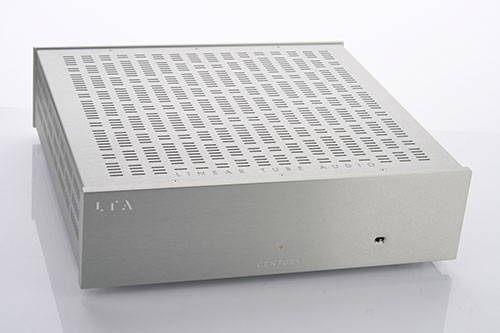
Linear Tube Audio Century
Century heißen die Röhren-Mono-Endverstärker von Linear Tube Audio, die ohne Ausgangsübertrager auskommen und sich dennoch grundlegend von anderen OTL-Konzepten unterscheiden. Wir haben uns intensiv damit beschäftigt, was die patentierte ZOTL-Technologie des Entwicklers so besonders macht und wie sie sich klanglich auswirkt. Für diesen Test haben Dirk Sommer und ich uns eine Arbeitsteilung vorgenommen, bei der ich (Carsten Bussler) mich auf die Technik der Century-Monos sowie die Hintergründe zu Linear Tube Audio und die Zusammenarbeit mit…29.09.2026 


-
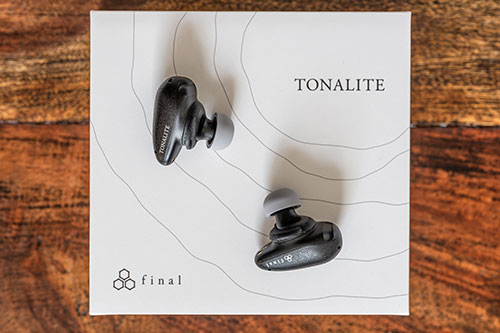
Final Tonalite
Finals Tonalite ist nicht nur ein neuer In-Ear, sondern macht gleichzeitig Finals Timbreanpassung jedem Nutzer mittels einer App zugänglich. Seit der noch etwas kryptischen Ankündigung dieser Technologie auf der High End 2022 habe ich Ihnen über den Entwicklungsprozess berichtet. Das fertige Produkt halte ich persönlich für einen Meilenstein. Tonalite ist eine grundlegende Neuentwicklung mit neuem Formfaktor und neuer Technik. Die Tonalite In-Ears verfügen über eine eher ovale Form, in der die gesamte Elektronik untergebracht ist.…25.09.2026 -
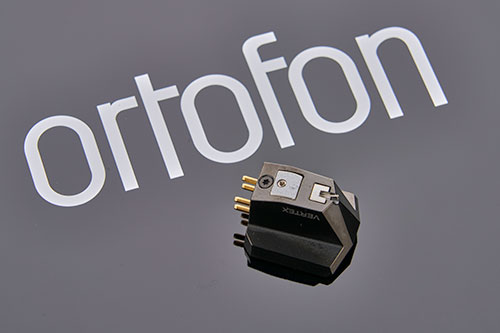
Ortofon MC Vertex
Die bisherigen Topmodelle von Ortofon, das Anna, das Anna Diamond und das Diamond, ähnelten einander auch optisch stark. Das Vertex macht schon durch sein Erscheinungsbild klar, dass es anders ist. Es ist der erste Tonabnehmer mit einem Diamanten mit Vertex-Schliff. Soweit mir bekannt, ist das der erste neue Nadelschliff seit rund 40 Jahren. Aber das ist nicht die einzige Veränderung gegenüber dem MC Diamond: Der Generator des Vertex besitzt einen deutlich höheren Innenwiderstand, die Nadelnachgiebigkeit…15.09.2026 -
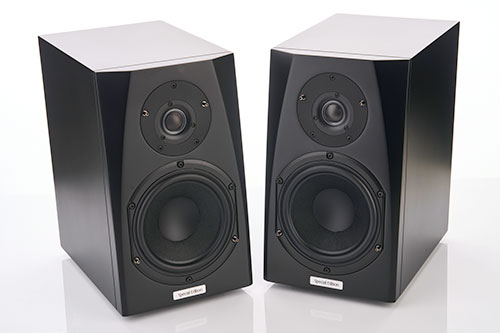
Phonar Veritas M4.2 SE
Es hat mir bislang stets Vergnügen bereitet, mich mit Phonar Lautsprechern zu beschäftigen. Nach einem Test kaufte ich die Veritas 9.2 SE und genieße seitdem ihre Musikalität. Phonar überzeugte immer wieder mit einem außergewöhnlich attraktiven Preis-Klang-Verhältnis. Bestätigt die neue, kompakte Phonar Veritas M4.2 SE diese Erfahrungen? Mein eindrucksvollstes Phonar-Erlebnis hatte ich vor zwei Jahren mit der Standbox Veritas p4.2 Next, die aktuell für einen Paarpreis von 2400 Euro auf der Phonar-Website zu sehen ist. Genau…08.09.2026
© 2026 | HIFISTATEMENT | netmagazine | Alle Rechte vorbehalten | Impressum | Datenschutz


Einige Hifistatement-Autoren benutzen
Qobuz Sublime+ Abonnements.

Einige Hifistatement-Autoren besitzen
eine roon Mitgliedschaft.

Einige Hifistatement-Autoren besitzen
die JPLAY hi-fi app.

Einige Hifistatement-Autoren besitzen
den Audirvana Plus 3 Music Player.