


 |
|
"You Know, You Know" continues with a drum kit instead of tablas and a heavily distorted Fender Rhodes with wah-wah effect instead of the flute: This is a melodic indulgence in tonal colours, dynamics and groove. The album then comes to a calm and relaxed close with "Pastel Morning". I will certainly no longer neglect the "second side" as reprehensibly as before - at least if it sounds anywhere near as finely depicted and yet as emotionally appealing through speakers as it does through the S4 and the Peacock combo!
For some time now, I almost can't do without "Deep As Love" from the album Changing Places by the Tord Gustavsen Trio when testing headphones and amplifiers: The calm, melodic track fascinates with an almost hypnotic musical flow, especially with beautiful timbres of the cymbals and brushes on the snare drum, a pleasantly "woody" sounding double bass and extraordinarily dynamic strokes on the strings of the grand piano. All of this can also be enjoyed when played through the Peacock and the S4. But we're not only generally talking about fascinating sounds here, so therefore the KECES must now take up the comparison against the Phonitor x. Of course, it sounds different by a few nuances, but I can't detect any differences in quality with this track. With the SPL, the instruments seem slightly smaller, further away and therefore surrounded by more space, although I have to admit that I am far less convinced when it comes to any kind of spatial imaging with headphones than with good loudspeakers. The KECES shows marginal advantages over the Phonitor with regard to dynamics, especially with the grand piano.
Perhaps it’s Mahler's Symphony No. 5 with the Duisburg Philharmonic under Jonathan Darlington that can reveal more differences: The recording from the Living Concert Series conveys an astonishingly credible sense of spatiality - when played back through headphones. Tonality, vibrancy and transparency as well leave nothing to be desired. The KECES seems to concentrate on the more engaging, somewhat closer rendering of the instrument groups, while the SPL suggests a larger stage with a certain depth. Nevertheless, the differences are surprisingly small when you consider that the Phonitor is a dedicated headphone amplifier with rudimentary preamp capabilities, whereas the KECES is a full-featured preamp with merely a headphone output. Without a direct comparison, I don't miss a thing when listening to music via headphones through the S4.


-
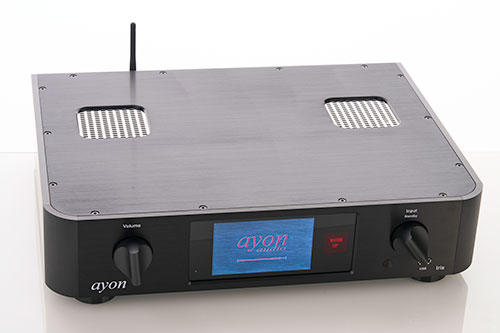
Ayon Iris Signature Streamer
Auf der High End Vienna haben Dirk Sommer und ich den Ayon Iris erstmals entdeckt – nun steht der außergewöhnliche Streaming-Player bei uns bereits zum Test. So frisch ist der Iris, dass selbst die Roon-Zertifizierung zum Testzeitpunkt noch läuft. Brandneu, doch der Iris kommt keineswegs aus dem Nichts: Wer die Entwicklung der digitalen Ayon-Komponenten verfolgt hat, erkennt eine kontinuierliche Beschäftigung mit dem Thema Streaming. Auch wir konnten diesen Weg begleiten – nach dem S3 und…01.09.2026 -
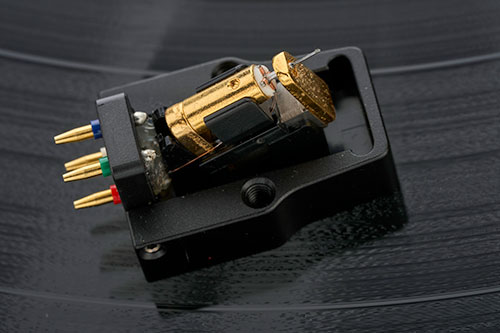
Sumiko Starling
Mein letzter Test eines Tonabnehmersystems befasste sich mit dem Sumiko Oriole. Nun drehen sich für diesen Test meine Schallplatten unter dem Sumiko Starling, dem teuersten System aus der Sumiko Referenz Serie. Nachdem ich überaus positiv überrascht vom Test des Oriole war und dies Peter Laitenberger vom deutschen ATR Vertrieb mitteilte, empfahl mir dieser mir doch einmal das Sumiko Starling anzuhören. Gesagt, getan und bereits wenige Tage später kam das kleine Päckchen mit dem Starling zu…28.08.2026 -
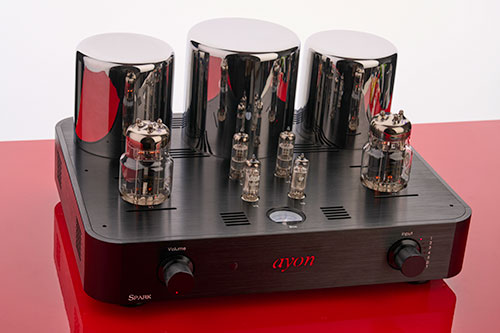
Ayon Spark V
Der Röhrenvollverstärker Spark ist mittlerweile seit über 20 Jahren ein fester Bestandteil des Produktportfolios von Ayon. Preislich eher im Einstiegssegment der Österreicher und nominell unterhalb der Evolution-Serie angesiedelt, hat dieses Gerät aufgrund der eingesetzten russischen Triode 6C33 das Potenzial zum Hidden Champion. Spätestens seit meinem Test des Boliden Ayon Crossfire Evo maße ich mir an, ein Kenner der Marke Ayon zu sein, zumal mir diverse andere Geräte der Marke im Laufe der Jahre zu Gehör…25.08.2026 


-
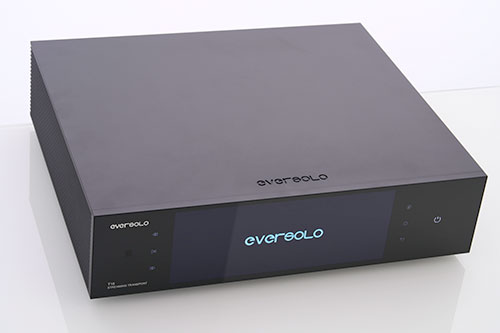
Eversolo T10
Eversolos Streamer DMP-A10 beeindruckte mit seinem hervorragenden Preis/Leistungsverhältnis und seiner prallen Ausstattungsfülle. Aber in meiner Kette im Wohnzimmer mit M-Scaler und HUGO 2 arbeitet er nur als reiner Datenlieferant. Kann das Eversolos neuer Streaming Transport T10 noch besser? Zumindest nach dem ersten Blick auf das rückseitige Anschlussfeld darf man das vermuten, denn dort befinden sich wie beim Eversolo DAC-Z10 zwei BNC-Anschlüsse für die Verbindung mit einer externen Clock, entweder mit einer Impedanz von 75 oder…21.08.2026 -
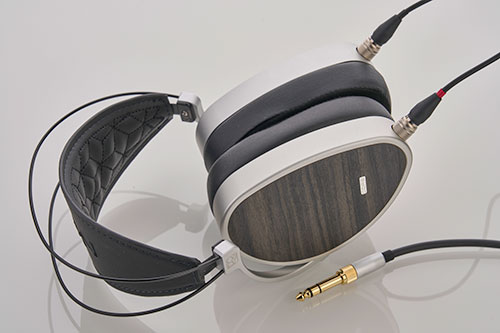
Dan Clark Audio Aeon Core
Anfang letzten Jahres stellte ich den Dan Clark Audio Noire X vor, dessen Klangsignatur der meines absoluten Favoriten, dem Stealth, sehr nahe kommt – und das zu einem Viertel des Preises des Dan Clark Audio-Topmodells. Jetzt charakterisiert der kalifornische Kopfhörerspezialist den Aeon Core sehr ähnlich: „Flagship Performance. Breakthrough Price.“ Dazu, wie sich die Hierarchie zwischen Stealth, Noire X und Aeon Core darstellt, möchte ich später kommen, denn bei seiner Arbeit für den Aeon Core ging…14.08.2026 -
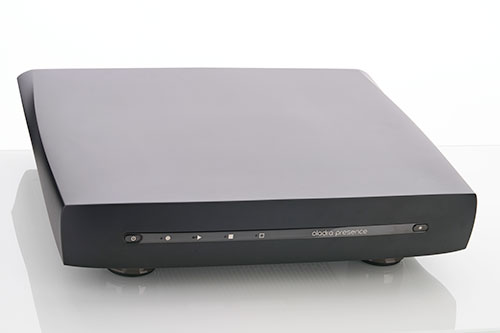
Oladra Presence
Die Server und Streamer von Antipodes Audio sind kostspielig. Das ist nicht neu. Sie bieten für's Geld eine hervorragende Klangqualität. Das begann seinerzeit für mich mit dem EX, ging über die S-Serie zum K50 und schließlich sogar bis zum Oladra G4. Jetzt steht der brandneue Oladra Presence bei mir zum Test. Der Oladra Presence kostet enorme 58.000 Euro. Das ist für mich eigentlich Grund genug, mich nicht mit ihm zu befassen. Aber mein Interesse und…11.08.2026
© 2026 | HIFISTATEMENT | netmagazine | Alle Rechte vorbehalten | Impressum | Datenschutz


Einige Hifistatement-Autoren benutzen
Qobuz Sublime+ Abonnements.

Einige Hifistatement-Autoren besitzen
eine roon Mitgliedschaft.

Einige Hifistatement-Autoren besitzen
die JPLAY hi-fi app.

Einige Hifistatement-Autoren besitzen
den Audirvana Plus 3 Music Player.