


 |
|When it comes to connectivity, the KECES S4 leaves nothing to be desired: In addition to two balanced XLR line inputs, there are RCA sockets for a line input as well as for MM or MC phono signals and a phono input for optical cartridges from DS Audio. Practice-oriented values for terminating the cartridges can be set via DIP switches. There are also two RCA line outputs and a balanced XLR line output. Regarding the optical cartridges from DS Audio, I am not going to test this input due to the lack of a corresponding cartridge, so I will limit myself to the MM or MC phono sections. But don't worry: Dirk Sommer will take a closer look at the headphone output and the section for optical cartridges from DS Audio in an upcoming second review.

Inside, the design is kept strictly symmetrical: The preamplifier boards made in SMD technology are designed in double mono construction and piggybacked on top of each other for the left and right channels. A real treat is the elaborate volume control realized using an R-2R network. The 128 logarithmic volume levels are switched by relays and acknowledge the control process with corresponding clicking switching noises. Incidentally, this is particularly fun with the high-quality all-metal remote control, which has all the control functions at its command: When the volume button is pressed, the relays click through the individual volume levels at high speed. Just for fun, I let the relays click up and down a few times without a pending signal, simply because it made such nice clicking noises. Just then I remembered a sentence I had recently read somewhere: No matter how old you are, you remain a child forever...
The power supply features a generously dimensioned, low stray field toroidal transformer. Even though KECES is known to be a power supply specialist, I didn't notice any special features here. However, the most important thing is that the phono section is protected from any interference on the part of the power supply by the separate housing.

For the listening test, I had no reservations about daring a technological crossover, if you like. As the EternalArts OTL Mark III transformerless tube power amplifier is currently making a guest appearance at my place, this old-school tube amp was just right for me to form an alliance with the modern high-tech KECES S4 preamplifier. And in practice, it actually worked out quite splendidly, both in terms of the amplification factors and the general sound characteristics. For the listening sessions I used the MM system Ortofon 2M Silver and the MC system Ortofon Quintet Red.
In general, I was somewhat surprised that I experienced a burn-in phase with this device, which I usually only know from tube gear. After switching on, the KECES S4 always took about ten minutes to get “to the point”, but over a total period of about thirty hours of operation, I noticed constant small changes in the sound until the curtain was completely lifted, so to speak. I assume that my device was a fairly new one straight from the factory.


-
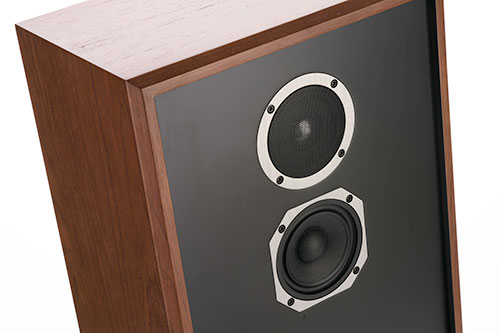
KLH Audio Model Four
Endlich steht mal etwas ganz anderes in meinem Hörraum. Der Lautsprecher des traditionsreichen amerikanischen Herstellers KLH entspricht einem Design von vor mehr als 50 Jahren, wie man es auch heutzutage bei Edelmarken wie Harbeth oder Audio Note findet. Bislang hatte ich nicht das Vergnügen, einen solchen Lautsprecher im Hörraum zu erleben. Neben dem Design mit breiter Schallwand und geringer Bautiefe macht der Paarpreis von knapp 2000 Euro die KLH Model Four hochgradig interessant. Auf zum…19.10.2026 -
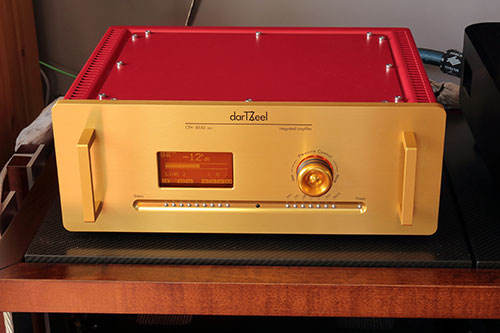

darTZeel Audio CTH-8550 Mk II
darTZeel ist ein Schweizer Unternehmen, das 2001 in Genf von Hervé Delétraz gegründet wurde. Der Name ist ein Anagramm des Nachnamens Delétraz. Die Arbeit an den ersten Geräten begann bereits 1984 im Rahmen einer Diplomarbeit, und nach 18 Jahren Forschung wurde 2002 der Leistungsverstärker NHB-108 offiziell vorgestellt. Es gibt Marken, auf die man viele Jahre warten muss, aber man wartet trotzdem weiter. So war es für mich bei der Marke darTZeel. Zufällig traf ich ihren…13.10.2026 -
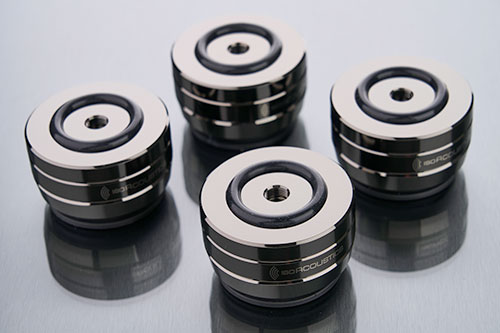
IsoAcoustics GAIA Neo I
Erinnern Sie sich noch? Es ist bereits eine ganze Weile her, da haben Hifi-Fans ihre Lautsprecher auf Tennisbälle gestellt, um einen besseren Klang aus ihnen herauszukitzeln. Oder sie haben abenteuerliche Selfmade-Konstruktionen gebastelt, auf denen die vielleicht nicht ganz highendigen Schallwandler platziert wurden. Das ist lange her und in der Zwischenzeit hat sich in Sachen Lautsprecher-Füße einiges getan. Es gibt eine große Zahl an Herstellern, die Basen, Spikes oder Ständer mit unterschiedlichen Konzepten und Materialien produzieren,…09.10.2026 


-
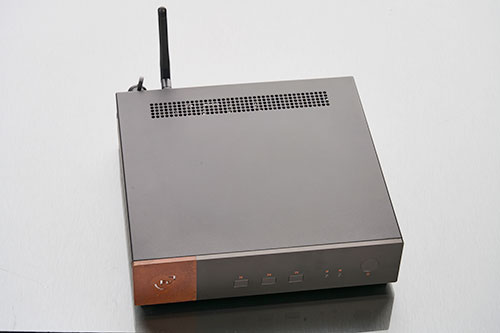
Ferrum BROEN
Auf der High End 2025 ließ man bei Ferrum durchblicken, dass an einem Streamer gearbeitet wird. Die Ferrum Streaming Control Technology, mit der die Musikwiedergabe mittels der Fernbedienung Ferrums DAC WANDLA steuerbar ist, war bereits eine Vorbereitung auf den Streamer und das Schaffen eines gesamten Ferrum-Ökosystems. Im Oktober 2025, wenige Monate nach der High End letzten Jahres waren auf der Audio Video Show in Warschau dann bereits erste BROEN Vorserienmodelle in Betrieb. Auf der diesjährige…06.10.2026 -
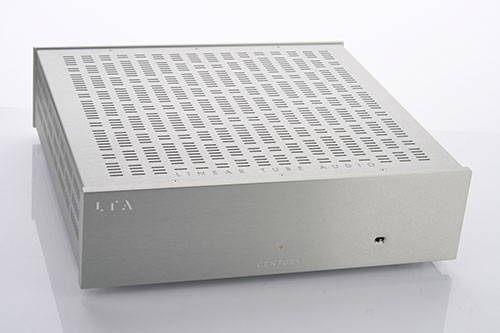
Linear Tube Audio Century
Century heißen die Röhren-Mono-Endverstärker von Linear Tube Audio, die ohne Ausgangsübertrager auskommen und sich dennoch grundlegend von anderen OTL-Konzepten unterscheiden. Wir haben uns intensiv damit beschäftigt, was die patentierte ZOTL-Technologie des Entwicklers so besonders macht und wie sie sich klanglich auswirkt. Für diesen Test haben Dirk Sommer und ich uns eine Arbeitsteilung vorgenommen, bei der ich (Carsten Bussler) mich auf die Technik der Century-Monos sowie die Hintergründe zu Linear Tube Audio und die Zusammenarbeit mit…29.09.2026 -
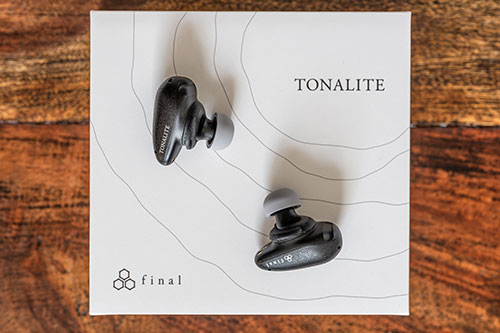
Final Tonalite
Finals Tonalite ist nicht nur ein neuer In-Ear, sondern macht gleichzeitig Finals Timbreanpassung jedem Nutzer mittels einer App zugänglich. Seit der noch etwas kryptischen Ankündigung dieser Technologie auf der High End 2022 habe ich Ihnen über den Entwicklungsprozess berichtet. Das fertige Produkt halte ich persönlich für einen Meilenstein. Tonalite ist eine grundlegende Neuentwicklung mit neuem Formfaktor und neuer Technik. Die Tonalite In-Ears verfügen über eine eher ovale Form, in der die gesamte Elektronik untergebracht ist.…25.09.2026
© 2026 | HIFISTATEMENT | netmagazine | Alle Rechte vorbehalten | Impressum | Datenschutz


Einige Hifistatement-Autoren benutzen
Qobuz Sublime+ Abonnements.

Einige Hifistatement-Autoren besitzen
eine roon Mitgliedschaft.

Einige Hifistatement-Autoren besitzen
die JPLAY hi-fi app.

Einige Hifistatement-Autoren besitzen
den Audirvana Plus 3 Music Player.