


 |
|
As I then listen to Otmar Liebert's album Dune, the musical flow and smoothness are particularly striking. In "On the Road to Shiraz", Otmar Liebert's guitar has more volume, the handclaps are more realistic and the accordion, which has always been somewhat nebulous, can now suddenly be heard with fine definition. The electric bass anchors the melody more firmly and drives the piece forward with verve. Here, too, the stage is deeper and the overall impression is more vivid and energetic. Another immediately noticeable feature is the increased transparency in the mids and highs. In "Tarantella" by Sarasate (The Chasing Dragon - Audiophile Recordings), the solo violin chases through the entire sound space at breakneck speed and with the highest degree of difficulty. Soft tones alternate with passages played extremely strong, high harmonics with medium and low registers. This par force ride can quickly become exhausting, especially in the high registers, and the pleasure is then lost. With the REF10 NANO, the solo violin sounds smoother and far less coarse-grained. But that's not all: the overall sound is calmer and less agitated. This makes subtleties in the other instruments audible that were previously masked by the solo violin pushing to the fore. This transparency is continued in the mid-range and gives human voices more naturalness. On "The very thought of you" with Emilie-Claire Barlow (Jazz Ballads - 2xHD 24/44.1), I was impressed by how naturally and clearly outlined the singer now stands between my speakers. The nice thing about this is that the proportions are maintained and the singer and accompanying instruments are not simply shown larger, as when you zoom in on an object with a camera. A warning at this point: anyone listening to a REF10 NANO in combination with a MUTEC MC3+ USB for the first time may initially find the sonic improvements less than spectacular. The aha-effect moment comes at the latest when the REF10 NANO is removed from the chain. You don't really want to have that, i.e. hear it. Until now, I've always been of the opinion that two MUTEC MC3+ USBs are better than one. I still think that, but I would change the order of purchase. Before buying a second MUTEC MC3+ USB, I would now advise you to invest in a REF10 NANO first. With one MUTEC MC3+ USB, which derives its clock from a REF10 NANO, you will come much closer to the listening impressions just described as with two MUTEC MC3+ USB alone. And I would probably add another purchase in between: a good linear power supply. I know I'm biased when it comes to switching power supplies. But when you hear how even an affordable SBooster BOTW Power & Precision ECO power supply brings even more calm and flow to the musical performance, you'll understand my point. With a good linear power supply, the REF10 NANO comes a good deal closer to the big REF10. But when it comes to the purchase price of such a power supply, keep things in proportion, otherwise you might as well invest in a REF10. Against the background of the experiences just described, the question arises as to whether more is possible? What if the REF10 NANO could make even more devices in my digital chain happy with its 10 MHz reference clock? To examine this question, I am now using a server from SOtM, in which all essential components such as the motherboard, Ethernet module and USB module can be clocked externally, and I am also adding the SOtM switch sNH-10Gi - also with an external clock input - to my chain. I experience the "Spanish Overture No. 1: Capriccio brillante on "La Jota Aragonesa" by Mikhail Glinka with Vladimir Jurowski and the London Philharmonic Orchestra (Valdimir Jurowski: 10 years) with a degree of transparency and resolution that I have hardly heard before: every instrument has its rock-solid, immovable place on the stage and the proportions of the instruments to each other are simply perfect. The whole thing is particularly impressive when groups of instruments at the back, such as the timpani, have already reached fortissimo and do not obscure the violins, which are still playing softly pizzicato and sitting further forward. Following the different musical levels in this piece changes from concentrated listening to relaxed enjoyment! This experiment impressively demonstrates the potential of a REF10 NANO if we allow its 10 MHz reference clock to supply as many as possible or even all devices in a digital chain.
STATEMENT
MUTEC has created a real winner with the REF10 NANO! It is the congenial playing partner for the MUTEC MC3+ USB and the perfect introduction to audiophile clocking. You can't get that much master clock for the money anywhere else at the moment.|
Listened with
|
|
|---|---|
| Computer | Intel Xeon E3-1225 3,2 GHz, 4 GB RAM, Windows Server 2012R2 and 2019 with AudiophileOptimizer 3.0, JPLAY USB Card, HDPLEX 400W ATX Linear PSU and HDPLEX 200W Linear PSU, Diretta Lucia Piccolo Bridge, LattePanda Alpha 864s with Intel 8th m3--8100y with Diretta Target Bridge or Volumio with HDPLEX 200W Linear PSU |
| Software | JPLAY Femto, JPLAY femtoServer, JPLAY iOS App, Upplay, JRiver Media Center 24, MinimServer, Roon Server, Volumio |
| LAN Switch | Silent Angel Switch Bonn NX, SOtM sNH-10G i |
| 10-MHz-Clock | Silent Angel Clock Genesis GX, SOtM SCLK-OCX10 |
| USB | MUTEC MC-3+ USB, SOtM USB Hub tX-USBultra |
| DA converter | PS Audio DirectStream DAC MK1 |
| Turntable | Platine Verdier |
| Tonearm | Souther TRIBEAM |
| Cartridge | Clearaudio Veritas |
| Preamp | Erno Borbely, Omtec Anturion |
| Power Amp | Stax DA-80m, Omtec CA 25 |
| Loudspeakers | Børresen 01 Cryo Edition, 2 x Velodyne Subwoofer DD-10+, Audioplan Kontrapunkt IV |
| Cables and Accessories | Van den Hul, JCAT Reference USB, JCAT Reference LAN, Analysis Plus Digital Oval Yellow, AudioQuest Eagle Eye Digital Cable, SOtM dBCL-BNC, Audioquest Niagara 5000, Ansuz Sortz RCA, LAN und BNC |
|
Manufacturer's Specifications
MUTEC REF10 NANO
|
|
|---|---|
| Interfaces | 2 x BNC-Ausgang für 10 MHz-Referenztaktsignale, 50 Ω-Terminierung unsymmetrisch, 2 x BNC-Ausgang für 10 MHz-Referenztaktsignale, 75 Ω-Terminierung unsymmetrisch |
| Signal Format of all Clock Outputs | Square wave, 10.000 MHz, 2 Vpp, 50:50 duty cycle |
| Phase Noise | ≤ -112 dBc/Hz at 1 Hz, ≤ -142 dBc/Hz at 10 Hz; ≤ -158 dBc/Hz at 100 Hz, ≤ -164 dBc/Hz at 1000 Hz; ≤ -167 dB Noise floor |
| Jitter | ≈ 30 fs (1-100 Hz) |
| Weight | 2070 g without packaging |
| Case size | 196 x 44 x 300 mm (WxHxD, without connectors and case feet) |
| Price | 2000 euros |
|
Manufacturer
MUTEC Gesellschaft für Systementwicklung und Komponentenvertrieb mbH
|
|
|---|---|
| Address | Siekeweg 6/8 12309 Berlin |
| Phone | +49 30 7468800 |
| Fax | +49 30 74688099 |
| contact@mutec-net.com | |
| Web | www.mutec-net.com |


-
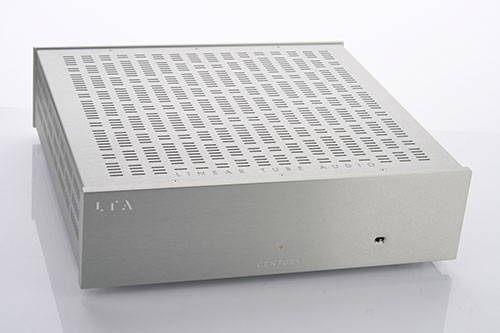
Linear Tube Audio Century
Century heißen die Röhren-Mono-Endverstärker von Linear Tube Audio, die ohne Ausgangsübertrager auskommen und sich dennoch grundlegend von anderen OTL-Konzepten unterscheiden. Wir haben uns intensiv damit beschäftigt, was die patentierte ZOTL-Technologie des Entwicklers so besonders macht und wie sie sich klanglich auswirkt. Für diesen Test haben Dirk Sommer und ich uns eine Arbeitsteilung vorgenommen, bei der ich (Carsten Bussler) mich auf die Technik der Century-Monos sowie die Hintergründe zu Linear Tube Audio und die Zusammenarbeit mit…29.09.2026 -
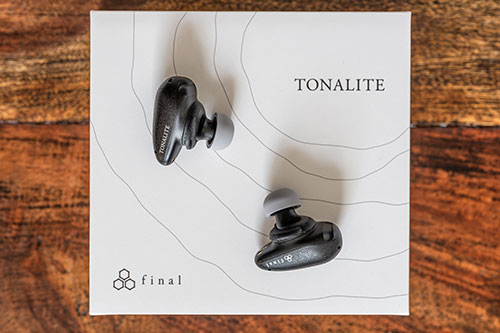
Final Tonalite
Finals Tonalite ist nicht nur ein neuer In-Ear, sondern macht gleichzeitig Finals Timbreanpassung jedem Nutzer mittels einer App zugänglich. Seit der noch etwas kryptischen Ankündigung dieser Technologie auf der High End 2022 habe ich Ihnen über den Entwicklungsprozess berichtet. Das fertige Produkt halte ich persönlich für einen Meilenstein. Tonalite ist eine grundlegende Neuentwicklung mit neuem Formfaktor und neuer Technik. Die Tonalite In-Ears verfügen über eine eher ovale Form, in der die gesamte Elektronik untergebracht ist.…25.09.2026 -
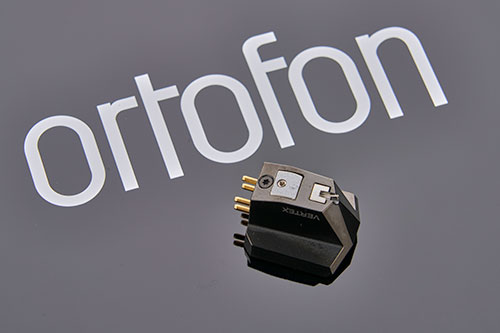
Ortofon MC Vertex
Die bisherigen Topmodelle von Ortofon, das Anna, das Anna Diamond und das Diamond, ähnelten einander auch optisch stark. Das Vertex macht schon durch sein Erscheinungsbild klar, dass es anders ist. Es ist der erste Tonabnehmer mit einem Diamanten mit Vertex-Schliff. Soweit mir bekannt, ist das der erste neue Nadelschliff seit rund 40 Jahren. Aber das ist nicht die einzige Veränderung gegenüber dem MC Diamond: Der Generator des Vertex besitzt einen deutlich höheren Innenwiderstand, die Nadelnachgiebigkeit…15.09.2026 


-
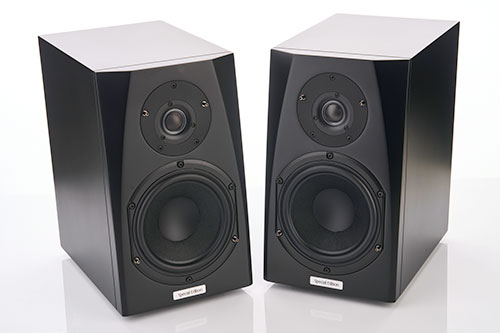
Phonar Veritas M4.2 SE
Es hat mir bislang stets Vergnügen bereitet, mich mit Phonar Lautsprechern zu beschäftigen. Nach einem Test kaufte ich die Veritas 9.2 SE und genieße seitdem ihre Musikalität. Phonar überzeugte immer wieder mit einem außergewöhnlich attraktiven Preis-Klang-Verhältnis. Bestätigt die neue, kompakte Phonar Veritas M4.2 SE diese Erfahrungen? Mein eindrucksvollstes Phonar-Erlebnis hatte ich vor zwei Jahren mit der Standbox Veritas p4.2 Next, die aktuell für einen Paarpreis von 2400 Euro auf der Phonar-Website zu sehen ist. Genau…08.09.2026 -
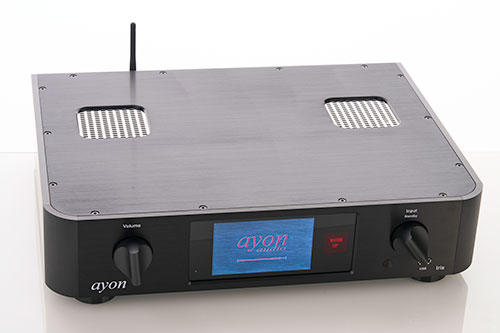
Ayon Iris Signature Streamer
Auf der High End Vienna haben Dirk Sommer und ich den Ayon Iris erstmals entdeckt – nun steht der außergewöhnliche Streaming-Player bei uns bereits zum Test. So frisch ist der Iris, dass selbst die Roon-Zertifizierung zum Testzeitpunkt noch läuft. Brandneu, doch der Iris kommt keineswegs aus dem Nichts: Wer die Entwicklung der digitalen Ayon-Komponenten verfolgt hat, erkennt eine kontinuierliche Beschäftigung mit dem Thema Streaming. Auch wir konnten diesen Weg begleiten – nach dem S3 und…01.09.2026 -
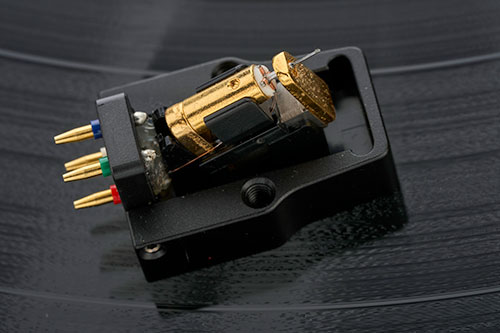
Sumiko Starling
Mein letzter Test eines Tonabnehmersystems befasste sich mit dem Sumiko Oriole. Nun drehen sich für diesen Test meine Schallplatten unter dem Sumiko Starling, dem teuersten System aus der Sumiko Referenz Serie. Nachdem ich überaus positiv überrascht vom Test des Oriole war und dies Peter Laitenberger vom deutschen ATR Vertrieb mitteilte, empfahl mir dieser mir doch einmal das Sumiko Starling anzuhören. Gesagt, getan und bereits wenige Tage später kam das kleine Päckchen mit dem Starling zu…28.08.2026
© 2026 | HIFISTATEMENT | netmagazine | Alle Rechte vorbehalten | Impressum | Datenschutz


Einige Hifistatement-Autoren benutzen
Qobuz Sublime+ Abonnements.

Einige Hifistatement-Autoren besitzen
eine roon Mitgliedschaft.

Einige Hifistatement-Autoren besitzen
die JPLAY hi-fi app.

Einige Hifistatement-Autoren besitzen
den Audirvana Plus 3 Music Player.