


 |
|I like to give the Cascade plenty of time to slowly get up to operating temperature and approach the sonic optimum. It is also the signal supplier when working with the fantastic darTZeel pre/power amp combination NHB-18NS and NHB-108. Logically, the enormous capabilities of these exceptional amplifiers are easier to discover with sources of the very best quality - and vice versa: the MSB trio has certainly played a not inconsiderable part in the fact that I have enjoyed music files via the Swiss premium amplifiers more intensively than ever before in my listening room. But the Cascade also works its magic through the WestminsterLab Quest and Einstein's The Poweramp: albums newly acquired from Qobuz such as John Surman's Words Unspoken, Niels Kugelmann's Stormy Beauty and Julia Hülsmann's The Next Door simply come across as extremely coherent, flowing and homogeneous. The reproduction is free of any technical artifacts and simply "right" or "natural" - even if I usually shy away from using the last two adjectives. But I can't avoid it here.

With well-known albums such as Changing Places by the Tord Gustavsen Trio, I know, even without a direct comparison, that the Cascade, for example, gives the much-played first two pieces a suppleness and yet a high level of inner tension that I didn't know before. Suddenly you become aware of the different intensity of the attacks in a relaxed melody line, but this does not distract from the essentials. Gustavsen's playing is bursting with energy, but listening to ‘Melted Matter’, for example, you don't feel like you're witnessing a spectacle; instead, you're almost drawn into the realistic-seeming space. The rubbing of the brushes on the snare is extremely finely differentiated, while the head of the bass drum, lightly tapped with the mallet, still develops a certain pressure. The reproduction of the instruments is incredibly vivid. But you're not here to indulge in pure rapture. That's why I switch back to Auralic Aries, Chord M-Scaler and Dave with their various modifications and start the music file "Sunrise" from Richard Strauss' Also Sprach Zarathustra with the Chicago Symphony Orchestra under Fritz Reiner, ripped from the LSC CD: Over the rumbling of the organ, the brass instruments give an idea of the size of the recording space, the timpani solidify the first impressions, especially in terms of the depth of the stage, and the rest of the orchestra enters: What a grandiose beginning! The MSB then lends the rumbling more structure, the room seems even more expansive, the instrument groups are surrounded by more air, the reproduction has more urgency: there is not the slightest doubt as to which converter makes this short sequence a deeper emotional experience.

Up to now, the Cascade has acted purely as a DAC. And in this function it was first allowed to convert the beginning of the first movement of Shostakovich's Symphony No. 15 with the Duisburg Philharmonic Orchestra: It does this more convincingly than all the DACs that have previously played in my listening room – only the dCS Vivaldi came near to it, but unfortunately this has been back with the distributor for so long that I can't compare its fantastic performance with that of the MBS from memory. However, it is easy to describe what changes when the MSB takes on the role of a preamplifier instead of the WestminsterLab Quest: relatively little! The imaginary stage shrinks slightly in terms of depth, but the sound image is now slightly more powerful in the bass range. This may be a matter of taste for listeners with bat ears, but in terms of cost, the decision is clear: I would also entrust the Cascade with the tasks of a preamplifier in my chain.


-
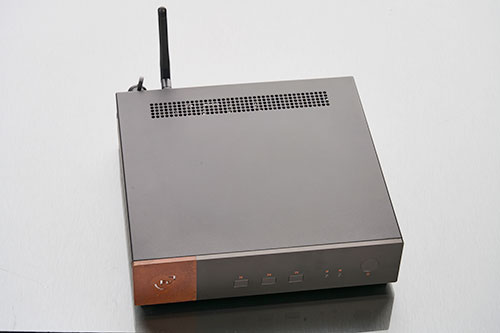
Ferrum BROEN
Auf der High End 2025 ließ man bei Ferrum durchblicken, dass an einem Streamer gearbeitet wird. Die Ferrum Streaming Control Technology, mit der die Musikwiedergabe mittels der Fernbedienung Ferrums DAC WANDLA steuerbar ist, war bereits eine Vorbereitung auf den Streamer und das Schaffen eines gesamten Ferrum-Ökosystems. Im Oktober 2025, wenige Monate nach der High End letzten Jahres waren auf der Audio Video Show in Warschau dann bereits erste BROEN Vorserienmodelle in Betrieb. Auf der diesjährige…06.10.2026 -
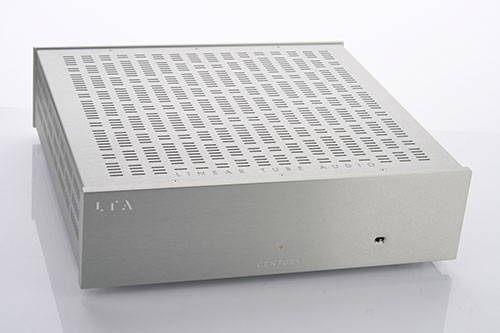
Linear Tube Audio Century
Century heißen die Röhren-Mono-Endverstärker von Linear Tube Audio, die ohne Ausgangsübertrager auskommen und sich dennoch grundlegend von anderen OTL-Konzepten unterscheiden. Wir haben uns intensiv damit beschäftigt, was die patentierte ZOTL-Technologie des Entwicklers so besonders macht und wie sie sich klanglich auswirkt. Für diesen Test haben Dirk Sommer und ich uns eine Arbeitsteilung vorgenommen, bei der ich (Carsten Bussler) mich auf die Technik der Century-Monos sowie die Hintergründe zu Linear Tube Audio und die Zusammenarbeit mit…29.09.2026 -
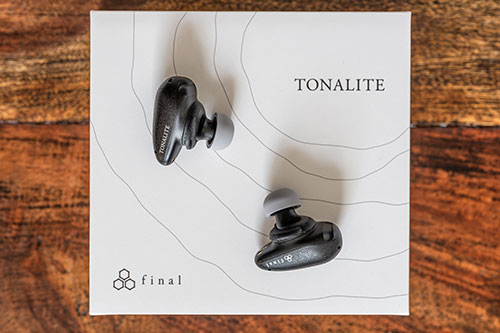
Final Tonalite
Finals Tonalite ist nicht nur ein neuer In-Ear, sondern macht gleichzeitig Finals Timbreanpassung jedem Nutzer mittels einer App zugänglich. Seit der noch etwas kryptischen Ankündigung dieser Technologie auf der High End 2022 habe ich Ihnen über den Entwicklungsprozess berichtet. Das fertige Produkt halte ich persönlich für einen Meilenstein. Tonalite ist eine grundlegende Neuentwicklung mit neuem Formfaktor und neuer Technik. Die Tonalite In-Ears verfügen über eine eher ovale Form, in der die gesamte Elektronik untergebracht ist.…25.09.2026 


-
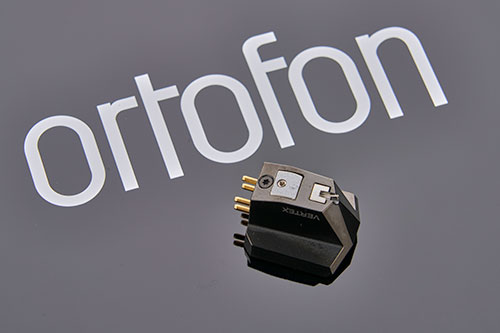
Ortofon MC Vertex
Die bisherigen Topmodelle von Ortofon, das Anna, das Anna Diamond und das Diamond, ähnelten einander auch optisch stark. Das Vertex macht schon durch sein Erscheinungsbild klar, dass es anders ist. Es ist der erste Tonabnehmer mit einem Diamanten mit Vertex-Schliff. Soweit mir bekannt, ist das der erste neue Nadelschliff seit rund 40 Jahren. Aber das ist nicht die einzige Veränderung gegenüber dem MC Diamond: Der Generator des Vertex besitzt einen deutlich höheren Innenwiderstand, die Nadelnachgiebigkeit…15.09.2026 -
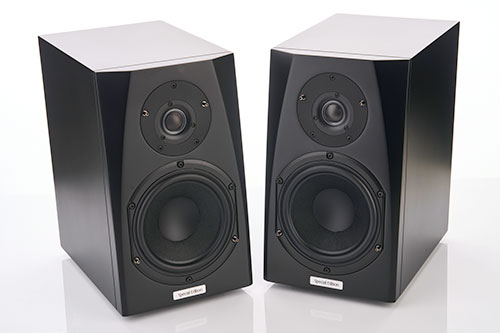
Phonar Veritas M4.2 SE
Es hat mir bislang stets Vergnügen bereitet, mich mit Phonar Lautsprechern zu beschäftigen. Nach einem Test kaufte ich die Veritas 9.2 SE und genieße seitdem ihre Musikalität. Phonar überzeugte immer wieder mit einem außergewöhnlich attraktiven Preis-Klang-Verhältnis. Bestätigt die neue, kompakte Phonar Veritas M4.2 SE diese Erfahrungen? Mein eindrucksvollstes Phonar-Erlebnis hatte ich vor zwei Jahren mit der Standbox Veritas p4.2 Next, die aktuell für einen Paarpreis von 2400 Euro auf der Phonar-Website zu sehen ist. Genau…08.09.2026 -
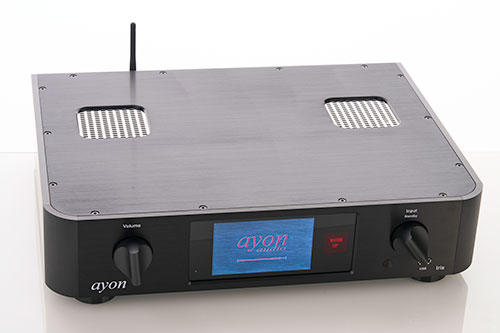
Ayon Iris Signature Streamer
Auf der High End Vienna haben Dirk Sommer und ich den Ayon Iris erstmals entdeckt – nun steht der außergewöhnliche Streaming-Player bei uns bereits zum Test. So frisch ist der Iris, dass selbst die Roon-Zertifizierung zum Testzeitpunkt noch läuft. Brandneu, doch der Iris kommt keineswegs aus dem Nichts: Wer die Entwicklung der digitalen Ayon-Komponenten verfolgt hat, erkennt eine kontinuierliche Beschäftigung mit dem Thema Streaming. Auch wir konnten diesen Weg begleiten – nach dem S3 und…01.09.2026
© 2026 | HIFISTATEMENT | netmagazine | Alle Rechte vorbehalten | Impressum | Datenschutz


Einige Hifistatement-Autoren benutzen
Qobuz Sublime+ Abonnements.

Einige Hifistatement-Autoren besitzen
eine roon Mitgliedschaft.

Einige Hifistatement-Autoren besitzen
die JPLAY hi-fi app.

Einige Hifistatement-Autoren besitzen
den Audirvana Plus 3 Music Player.