


 |
|Siltech Explorer 45USB, Classic Anniversary USB and Royal Signature Golden Universal II

When it comes to the purity of silver or copper, we are all always delighted to see as many nines as possible after the decimal point in the technical data. But what about the remaining 0.00....01 percent? Precisely based on this question it must be concluded that all this high-purity silver or copper cannot be absolutely homogeneous. Because under the microscope, as can be read on the Siltech website and is also shown there graphically, one can see that the homogeneity is interrupted by voids between the atoms, thus the signal flow being disturbed by these barriers. The material shows a lattice structure when magnified. In Siltech's specific G7 Silver-Gold alloy, the silver is fused with gold as a transition material in a time-intensive process, thus filling these fine disruptions. The gold atoms close the disruptions and thus ensure a homogeneous structure, which should not only improve the sound quality but also have a positive effect on the longevity. The designation G7 indicates that several developments have been made through time and that the seventh generation or quality level has now been achieved. Both the Classical Anniversary and the Royal Signature are designed using conductors made of G7. Siltech declares its monocrystalline silver S8 to be the best material for audio conductors available worldwide. The S8 is free of resistance-forming disruptions in the structure, but has the disadvantage of being extremely expensive. The Siltech Golden Crown USB built with S8 costs 5,950 euros the metre plus 3,570 euros for each additional metre, which explicitly indicates the use of a noble material. While the two high-quality USB cables with their homogenous silver/gold conductor structure used for our testing guarantee an uninterrupted signal flow, the cheaper Explorer at least is made of high-purity, monocrystalline copper.
Looking at the structure of the USB cables at hand, they are quite thick, which according to Siltech is not for showing off, but results from the construction, as the distance between the conductors is an important aspect to consider. A typical characteristic for Siltech’s cables is the twisting of the conductors, as this already reduces the influence of interfering signals. This particular aspect we know from twisted Cat-6 network cables, which do not require shielding at all. In high-quality audio cables, PTFE or Teflon is often used for insulation. According to Siltech, Teflon is associated with very low electrical absorption, yet this relatively soft insulation not only dampens the electrical signal, but also the conductor mechanically, which in the end can be heard. That's why Siltech uses special designs in cable construction and complementary materials to control the mechanical impact. For example, the Royal Signature features thin ligaments of Kapton® polyamide film made by DuPont. This allows the conductors to be wrapped in a stiff and lightweight insulation. The mechanical and electrical properties of DuPont Kapton® in particular prevent over-damping. The disadvantage of this material is its complicated handling due to its high stiffness rate. The thin Kapton® ligaments used at Siltech require precision machinery for accurate processing so that the desired uniform insulation is identical for each conductor along its entire length.

Another aspect in the design of the cables is the relationship between the diameter of a conductor and the twisting rate. It is well known that the diameters of conductors have an effect on sound. According to Siltech, this is true even for the smallest changes in the diameter of silver conductors. Siltech uses the largest possible diameters, although they openly admit that simply because of the pricing of the high quality materials applied, they never lose sight on the costs. The twisted conductors and the spacing architecture ultimately led to the desired clean and low-distortion sound. It should be noted that the internal spacings must remain stable over the entire length. Siltech has been occupying themselves with digital connections for decades and, as company director Edwin Rynveld emphasizes, devotes a great deal of attention to jitter behaviour. Jitter inevitably leads to the nervousness in the sonic image that audiophiles hate so much. So the technical construction of a cable is highly relevant in terms of jitter. For the Explorer and Anniversary Classic, the architecture is referred to as "Super Shielding", while for the Royal Signature the term "Wide-Range Shielding" indicates increased expenditure. The Anniversary features a silver-plated copper ground wire for each of its twisted pairs of G7 conductors. Siltech relies on highly effective shielding of the cables up to 1.5 megahertz, which then attenuates towards the gigahertz range, to counteract the electrosmog that is common today.


-
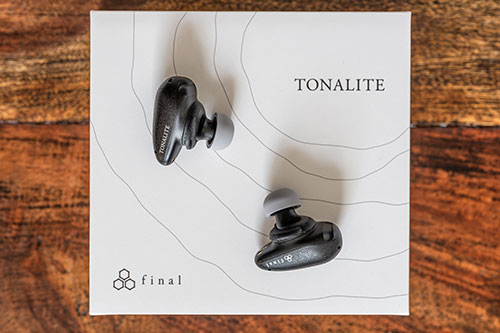
Final Tonalite
Finals Tonalite ist nicht nur ein neuer In-Ear, sondern macht gleichzeitig Finals Timbreanpassung jedem Nutzer mittels einer App zugänglich. Seit der noch etwas kryptischen Ankündigung dieser Technologie auf der High End 2022 habe ich Ihnen über den Entwicklungsprozess berichtet. Das fertige Produkt halte ich persönlich für einen Meilenstein. Tonalite ist eine grundlegende Neuentwicklung mit neuem Formfaktor und neuer Technik. Die Tonalite In-Ears verfügen über eine eher ovale Form, in der die gesamte Elektronik untergebracht ist.…25.09.2026 -
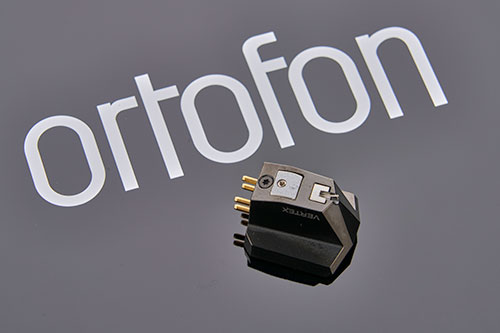
Ortofon MC Vertex
Die bisherigen Topmodelle von Ortofon, das Anna, das Anna Diamond und das Diamond, ähnelten einander auch optisch stark. Das Vertex macht schon durch sein Erscheinungsbild klar, dass es anders ist. Es ist der erste Tonabnehmer mit einem Diamanten mit Vertex-Schliff. Soweit mir bekannt, ist das der erste neue Nadelschliff seit rund 40 Jahren. Aber das ist nicht die einzige Veränderung gegenüber dem MC Diamond: Der Generator des Vertex besitzt einen deutlich höheren Innenwiderstand, die Nadelnachgiebigkeit…15.09.2026 -
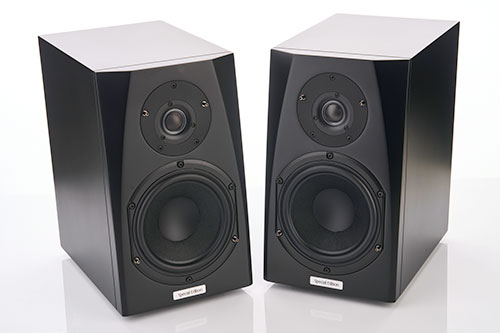
Phonar Veritas M4.2 SE
Es hat mir bislang stets Vergnügen bereitet, mich mit Phonar Lautsprechern zu beschäftigen. Nach einem Test kaufte ich die Veritas 9.2 SE und genieße seitdem ihre Musikalität. Phonar überzeugte immer wieder mit einem außergewöhnlich attraktiven Preis-Klang-Verhältnis. Bestätigt die neue, kompakte Phonar Veritas M4.2 SE diese Erfahrungen? Mein eindrucksvollstes Phonar-Erlebnis hatte ich vor zwei Jahren mit der Standbox Veritas p4.2 Next, die aktuell für einen Paarpreis von 2400 Euro auf der Phonar-Website zu sehen ist. Genau…08.09.2026 


-
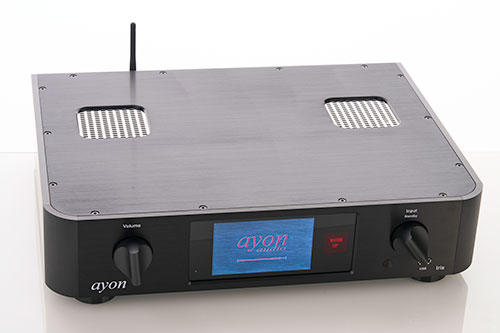
Ayon Iris Signature Streamer
Auf der High End Vienna haben Dirk Sommer und ich den Ayon Iris erstmals entdeckt – nun steht der außergewöhnliche Streaming-Player bei uns bereits zum Test. So frisch ist der Iris, dass selbst die Roon-Zertifizierung zum Testzeitpunkt noch läuft. Brandneu, doch der Iris kommt keineswegs aus dem Nichts: Wer die Entwicklung der digitalen Ayon-Komponenten verfolgt hat, erkennt eine kontinuierliche Beschäftigung mit dem Thema Streaming. Auch wir konnten diesen Weg begleiten – nach dem S3 und…01.09.2026 -
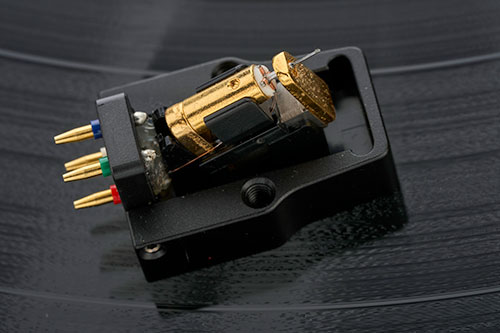
Sumiko Starling
Mein letzter Test eines Tonabnehmersystems befasste sich mit dem Sumiko Oriole. Nun drehen sich für diesen Test meine Schallplatten unter dem Sumiko Starling, dem teuersten System aus der Sumiko Referenz Serie. Nachdem ich überaus positiv überrascht vom Test des Oriole war und dies Peter Laitenberger vom deutschen ATR Vertrieb mitteilte, empfahl mir dieser mir doch einmal das Sumiko Starling anzuhören. Gesagt, getan und bereits wenige Tage später kam das kleine Päckchen mit dem Starling zu…28.08.2026 -
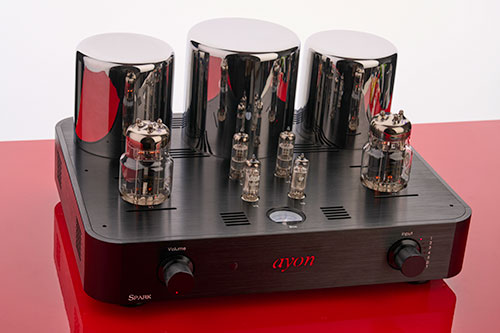
Ayon Spark V
Der Röhrenvollverstärker Spark ist mittlerweile seit über 20 Jahren ein fester Bestandteil des Produktportfolios von Ayon. Preislich eher im Einstiegssegment der Österreicher und nominell unterhalb der Evolution-Serie angesiedelt, hat dieses Gerät aufgrund der eingesetzten russischen Triode 6C33 das Potenzial zum Hidden Champion. Spätestens seit meinem Test des Boliden Ayon Crossfire Evo maße ich mir an, ein Kenner der Marke Ayon zu sein, zumal mir diverse andere Geräte der Marke im Laufe der Jahre zu Gehör…25.08.2026
© 2026 | HIFISTATEMENT | netmagazine | Alle Rechte vorbehalten | Impressum | Datenschutz


Einige Hifistatement-Autoren benutzen
Qobuz Sublime+ Abonnements.

Einige Hifistatement-Autoren besitzen
eine roon Mitgliedschaft.

Einige Hifistatement-Autoren besitzen
die JPLAY hi-fi app.

Einige Hifistatement-Autoren besitzen
den Audirvana Plus 3 Music Player.