


 |
|Another highlight is the newly developed midwoofer, a 5.25 inch driver that relies on a cone made of aluminum. Raidho says that one of the challenges of using aluminum as a diaphragm material is that it can have an inherent sound that must be avoided by all means. Therefore, all diaphragms are coated with a thin ceramic layer on both sides. The coating is applied by a plasma process that bonds the ceramic coating to the aluminum. In the X1t, a further layer of tantalum is added, which is also the reason for the affix "t" in the name of the new model. Tantalum impresses with its particularly high resistance to heat and wear and is said to make the diaphragm even stiffer and harder than would be possible with a combination of aluminum and ceramic coating alone - and without any harmful increase in weight either. Powerful neodymium magnets with an optimised magnetic field pattern provide a powerful drive with high dynamics and low distortion. The midwoofer operates on a bass reflex system, with Raidho having positioned the flow-optimised bass reflex port at the baffle's bottom side. The corresponding opening at the cabinet's bottom is a striking detail in the design of the X1t, but it also has tangible acoustic advantages when it comes to placing the speaker close to the rear wall, for example.

Compared to its predecessor, the interior of the X1t's enclosure has been redesigned with the aim of offering significantly better bass performance and bass quality. To achieve this goal, the cabinet has been partially reinforced, the application of damping material has been optimised and the bass reflex port has been extended. In addition, better components in the crossover are intended to help the X1t sound more open and clear. Despite its modest dimensions of just 320 millimetres in height, 145 millimetres in width and 230 millimetres in depth, the X1t weighs in at a hefty eight kilograms. For my taste, the X1t comes with a very stylish and filigree stand that tilts the speaker backwards by a few degrees, which is supposed to improve the sound dispersion. The plinth and centre section are made of MDF, the stand being one of the lightest of its kind. The idea behind this design is that the stand should store as little energy as possible. In keeping with this concept, there are no spikes, but feet that shall decouple the stand effectively from the floor. The centre part of the stand is sturdily screwed to both the plinth and the speaker. The method of screwing, which does not show any screws on the outside, is cleverly done and contributes to the speaker's attractive appearance.

The placement of the X1t is basically uncritical, it can even be positioned near the side walls. Incidentally, we have to get away from the usual methods and empirical values concerning the placement of loudspeakers. Instead, the guideline here is: set them far apart from each other and angle them in sharply. In my listening room, this results in an astonishingly large base width of almost three metres, considerably more than, for example, with my Audioplan Kontrapunkt, which has similar dimensions. The relationship between the X1t and its big sister, the TD1.2, which has recently been my guest, is quite obvious in this respect. As far as the distance from the listening position to the speakers is concerned, after a few attempts I end up with about three metres as well, resulting in the classic equilateral triangle of speaker placement. The X1t rewards my efforts with an impressive balance between wide imaging and precise focus without the dreaded hole in the middle. I give the X1t a good break-in period and then I'm ready to go.


-
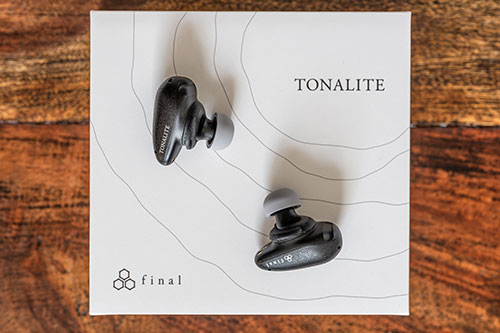
Final Tonalite
Finals Tonalite ist nicht nur ein neuer In-Ear, sondern macht gleichzeitig Finals Timbreanpassung jedem Nutzer mittels einer App zugänglich. Seit der noch etwas kryptischen Ankündigung dieser Technologie auf der High End 2022 habe ich Ihnen über den Entwicklungsprozess berichtet. Das fertige Produkt halte ich persönlich für einen Meilenstein. Tonalite ist eine grundlegende Neuentwicklung mit neuem Formfaktor und neuer Technik. Die Tonalite In-Ears verfügen über eine eher ovale Form, in der die gesamte Elektronik untergebracht ist.…25.09.2026 -
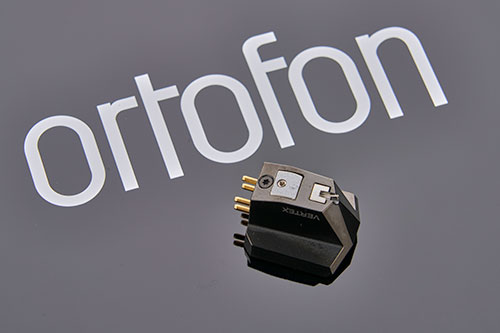
Ortofon MC Vertex
Die bisherigen Topmodelle von Ortofon, das Anna, das Anna Diamond und das Diamond, ähnelten einander auch optisch stark. Das Vertex macht schon durch sein Erscheinungsbild klar, dass es anders ist. Es ist der erste Tonabnehmer mit einem Diamanten mit Vertex-Schliff. Soweit mir bekannt, ist das der erste neue Nadelschliff seit rund 40 Jahren. Aber das ist nicht die einzige Veränderung gegenüber dem MC Diamond: Der Generator des Vertex besitzt einen deutlich höheren Innenwiderstand, die Nadelnachgiebigkeit…15.09.2026 -
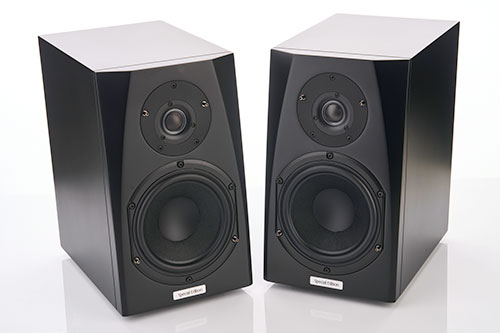
Phonar Veritas M4.2 SE
Es hat mir bislang stets Vergnügen bereitet, mich mit Phonar Lautsprechern zu beschäftigen. Nach einem Test kaufte ich die Veritas 9.2 SE und genieße seitdem ihre Musikalität. Phonar überzeugte immer wieder mit einem außergewöhnlich attraktiven Preis-Klang-Verhältnis. Bestätigt die neue, kompakte Phonar Veritas M4.2 SE diese Erfahrungen? Mein eindrucksvollstes Phonar-Erlebnis hatte ich vor zwei Jahren mit der Standbox Veritas p4.2 Next, die aktuell für einen Paarpreis von 2400 Euro auf der Phonar-Website zu sehen ist. Genau…08.09.2026 


-
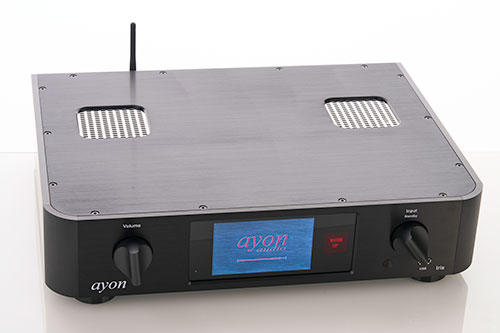
Ayon Iris Signature Streamer
Auf der High End Vienna haben Dirk Sommer und ich den Ayon Iris erstmals entdeckt – nun steht der außergewöhnliche Streaming-Player bei uns bereits zum Test. So frisch ist der Iris, dass selbst die Roon-Zertifizierung zum Testzeitpunkt noch läuft. Brandneu, doch der Iris kommt keineswegs aus dem Nichts: Wer die Entwicklung der digitalen Ayon-Komponenten verfolgt hat, erkennt eine kontinuierliche Beschäftigung mit dem Thema Streaming. Auch wir konnten diesen Weg begleiten – nach dem S3 und…01.09.2026 -
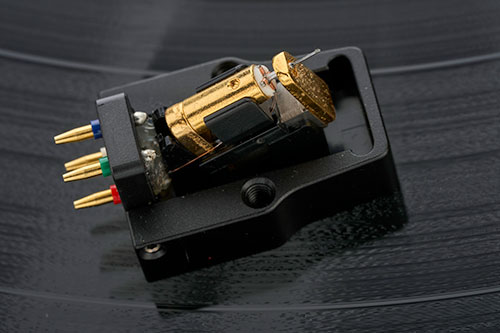
Sumiko Starling
Mein letzter Test eines Tonabnehmersystems befasste sich mit dem Sumiko Oriole. Nun drehen sich für diesen Test meine Schallplatten unter dem Sumiko Starling, dem teuersten System aus der Sumiko Referenz Serie. Nachdem ich überaus positiv überrascht vom Test des Oriole war und dies Peter Laitenberger vom deutschen ATR Vertrieb mitteilte, empfahl mir dieser mir doch einmal das Sumiko Starling anzuhören. Gesagt, getan und bereits wenige Tage später kam das kleine Päckchen mit dem Starling zu…28.08.2026 -
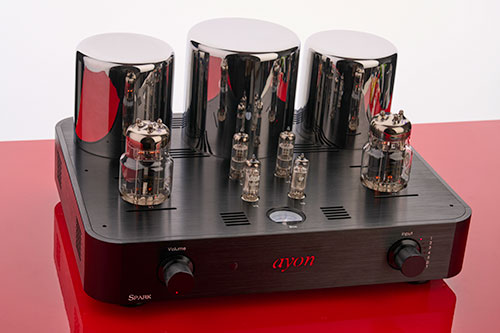
Ayon Spark V
Der Röhrenvollverstärker Spark ist mittlerweile seit über 20 Jahren ein fester Bestandteil des Produktportfolios von Ayon. Preislich eher im Einstiegssegment der Österreicher und nominell unterhalb der Evolution-Serie angesiedelt, hat dieses Gerät aufgrund der eingesetzten russischen Triode 6C33 das Potenzial zum Hidden Champion. Spätestens seit meinem Test des Boliden Ayon Crossfire Evo maße ich mir an, ein Kenner der Marke Ayon zu sein, zumal mir diverse andere Geräte der Marke im Laufe der Jahre zu Gehör…25.08.2026
© 2026 | HIFISTATEMENT | netmagazine | Alle Rechte vorbehalten | Impressum | Datenschutz


Einige Hifistatement-Autoren benutzen
Qobuz Sublime+ Abonnements.

Einige Hifistatement-Autoren besitzen
eine roon Mitgliedschaft.

Einige Hifistatement-Autoren besitzen
die JPLAY hi-fi app.

Einige Hifistatement-Autoren besitzen
den Audirvana Plus 3 Music Player.