


 |
|
Thanks to the supplied gauge for the bore spacing, it turns out to be very easy to place the arm mount on one of the bases of the LaGrange exactly 215 millimeters apart. Adjusting the tracking force only coarsely after the cartridge has been installed and accurately after the final position of the pickup has been found is pure enjoyment for someone who appreciates precise mechanics. Moving the counterweight by screw is performed so smoothly and finely that even changes in the range of one or two hundredths of a gram are possible when using an appropriate gauge. The adjustment of the magnetic anti-skating force is just as pleasing thanks to the supple running mechanics. As already mentioned, the height adjustment of the arm can be conducted without any problems as well. Whereas the adjustment of the overhang is a bit less comfortable without having the aforementioned bridge at hand that indicates the tonearm pivot point. But nevertheless, it was not too long before the pickup I use in my current favorite tonearm/cartridge combination got installed: Instead of remaining resident in the headshell of Einstein's The Tonearm 12", the Transrotor Tamino now left for the headshell of the TRA 9. And before any comparison tests will be carried out, it's supposed to stay there for a while by sending its weak signals through the new inner wiring as well as through the balanced pure silver tonearm cable, which hasn't been burnt-in yet either.

For this purpose I have selected a few older records, but also relatively recent ones that I haven't had the time to listen to, such as Maceo Parker's Roots Revisited The Bremen Concert: Compared to the well-known studio recording, Radio Bremen's recording surprises with a maximum of clarity and subtlest transparency. The dynamics leave nothing to be desired, and the tonal colors tend more towards pastel tones: Everything is very pleasing, especially the grade of resolution and the richness in detail, but I have in mind that the Tamino used to offer stronger timbres and a bit warmer performance. Already the next record, Karl Seglem's equally exciting and calm album Nordic Balm on Ozella Music, reveals that the TRA 9 deprives the Tamino neither from its beautiful colors nor its rich bass foundation. Sigurd Hole's mighty four-string bass sounds warm, rich and complete. The cymbals shine golden, the bass drum unfolds gentle power and Karl Seglem's saxophone exhales inspired melodies smoothly and without harshness. Regarding the sound quality, this record is highly enjoyable as well. The joint force of TRA 9 and Tamino lets the two very differing recordings go and seek their own ways. This isn't really bad for a tonearm whose wiring hasn't even reached 20 hours of burn-in time.


-
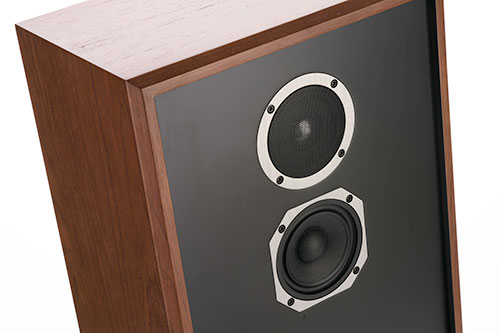
KLH Audio Model Four
Endlich steht mal etwas ganz anderes in meinem Hörraum. Der Lautsprecher des traditionsreichen amerikanischen Herstellers KLH entspricht einem Design von vor mehr als 50 Jahren, wie man es auch heutzutage bei Edelmarken wie Harbeth oder Audio Note findet. Bislang hatte ich nicht das Vergnügen, einen solchen Lautsprecher im Hörraum zu erleben. Neben dem Design mit breiter Schallwand und geringer Bautiefe macht der Paarpreis von knapp 2000 Euro die KLH Model Four hochgradig interessant. Auf zum…19.10.2026 -
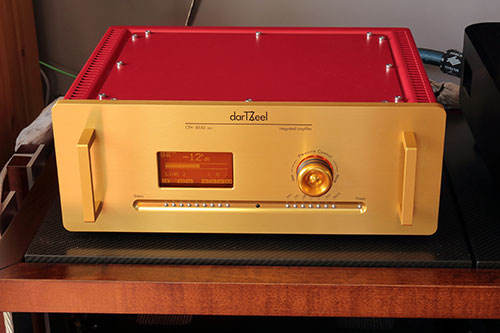

darTZeel Audio CTH-8550 Mk II
darTZeel ist ein Schweizer Unternehmen, das 2001 in Genf von Hervé Delétraz gegründet wurde. Der Name ist ein Anagramm des Nachnamens Delétraz. Die Arbeit an den ersten Geräten begann bereits 1984 im Rahmen einer Diplomarbeit, und nach 18 Jahren Forschung wurde 2002 der Leistungsverstärker NHB-108 offiziell vorgestellt. Es gibt Marken, auf die man viele Jahre warten muss, aber man wartet trotzdem weiter. So war es für mich bei der Marke darTZeel. Zufällig traf ich ihren…13.10.2026 -
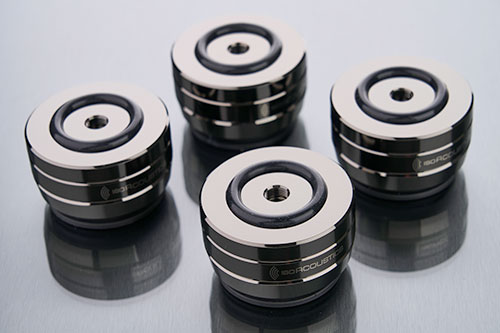
IsoAcoustics GAIA Neo I
Erinnern Sie sich noch? Es ist bereits eine ganze Weile her, da haben Hifi-Fans ihre Lautsprecher auf Tennisbälle gestellt, um einen besseren Klang aus ihnen herauszukitzeln. Oder sie haben abenteuerliche Selfmade-Konstruktionen gebastelt, auf denen die vielleicht nicht ganz highendigen Schallwandler platziert wurden. Das ist lange her und in der Zwischenzeit hat sich in Sachen Lautsprecher-Füße einiges getan. Es gibt eine große Zahl an Herstellern, die Basen, Spikes oder Ständer mit unterschiedlichen Konzepten und Materialien produzieren,…09.10.2026 


-
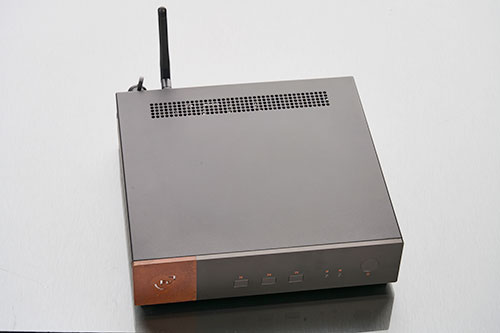
Ferrum BROEN
Auf der High End 2025 ließ man bei Ferrum durchblicken, dass an einem Streamer gearbeitet wird. Die Ferrum Streaming Control Technology, mit der die Musikwiedergabe mittels der Fernbedienung Ferrums DAC WANDLA steuerbar ist, war bereits eine Vorbereitung auf den Streamer und das Schaffen eines gesamten Ferrum-Ökosystems. Im Oktober 2025, wenige Monate nach der High End letzten Jahres waren auf der Audio Video Show in Warschau dann bereits erste BROEN Vorserienmodelle in Betrieb. Auf der diesjährige…06.10.2026 -
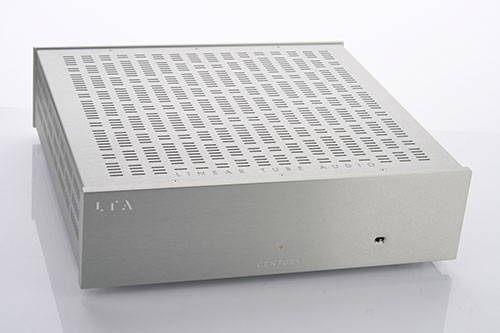
Linear Tube Audio Century
Century heißen die Röhren-Mono-Endverstärker von Linear Tube Audio, die ohne Ausgangsübertrager auskommen und sich dennoch grundlegend von anderen OTL-Konzepten unterscheiden. Wir haben uns intensiv damit beschäftigt, was die patentierte ZOTL-Technologie des Entwicklers so besonders macht und wie sie sich klanglich auswirkt. Für diesen Test haben Dirk Sommer und ich uns eine Arbeitsteilung vorgenommen, bei der ich (Carsten Bussler) mich auf die Technik der Century-Monos sowie die Hintergründe zu Linear Tube Audio und die Zusammenarbeit mit…29.09.2026 -
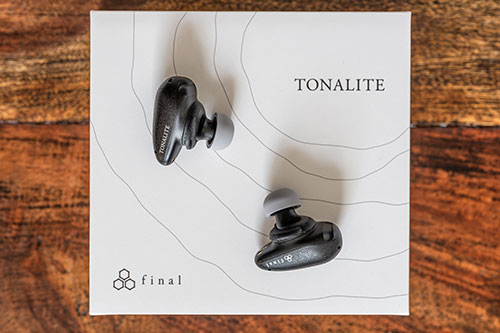
Final Tonalite
Finals Tonalite ist nicht nur ein neuer In-Ear, sondern macht gleichzeitig Finals Timbreanpassung jedem Nutzer mittels einer App zugänglich. Seit der noch etwas kryptischen Ankündigung dieser Technologie auf der High End 2022 habe ich Ihnen über den Entwicklungsprozess berichtet. Das fertige Produkt halte ich persönlich für einen Meilenstein. Tonalite ist eine grundlegende Neuentwicklung mit neuem Formfaktor und neuer Technik. Die Tonalite In-Ears verfügen über eine eher ovale Form, in der die gesamte Elektronik untergebracht ist.…25.09.2026
© 2026 | HIFISTATEMENT | netmagazine | Alle Rechte vorbehalten | Impressum | Datenschutz


Einige Hifistatement-Autoren benutzen
Qobuz Sublime+ Abonnements.

Einige Hifistatement-Autoren besitzen
eine roon Mitgliedschaft.

Einige Hifistatement-Autoren besitzen
die JPLAY hi-fi app.

Einige Hifistatement-Autoren besitzen
den Audirvana Plus 3 Music Player.