


 |
|This output stage is further linearized by the feedback loop of a discrete current feedback amplifier, which has a bandwidth of about 60 kilohertz at minus three decibels with open loop and almost one megahertz at minus three decibels with closed loop. The bandwidth of 60 kilohertz in the open feedback loop was achieved by a two-pole compensation method. This flattens the distortion in the audio spectrum as the open-loop gain drops off at higher frequencies compared to the typical Miller compensation. On the contrary, the large open-loop bandwidth mentioned does not exist in headphone amplifiers incorporating ICs.
In addition, the internal power supply is Hypsos' technological legacy. It features low-noise switching regulators with two-stage input and output filtering, followed by linear low-drop voltage regulators (LDO) with a fast transient response. For better channel separation, there are separate LDOs for both channels. Furthermore, the OOR features two DC inputs: a classic 2.5/5.5-millimeter DC jack plug and a 4-pin WEIPU plug, the same as on the Hypsos. To allow the use of the second option when purchasing a Hypsos, Ferrum includes with it a special power link cable with four-pin WEIPU connectors on both sides. When a normal cable is used, the "4-Terminal Sensing Design" (4TSD) feature in the Hypsos measures the voltage at the cable output, whereas with the FPL cable, the voltage is measured directly on the OOR’s main board. This allows the Hypsos to further stabilize the voltage in the current path.

There are eight independent main power rails in the OOR. For the amplifiers in the output stage, there are independent ±20 volt rails for both channels, based on low-noise, fast, linear low-drop voltage regulators. For the preamplifier stage, there are ±15-volt rails, also independent for both channels and based on linear LDOs. The ±20 volt rails of the LDOs are fed by switching converters that come up with two-stage filters at the input and output. The voltage at the output of the switching converters is approximately ±21.5 volts. Finally, there is an additional power rail just for the front LED, which is powered directly from the input power supply. The OOR features a six-layer circuit board. It has two layers just for the grounding surfaces. There are three groundings on the OOR: Signal ground, switching converter ground, and input power supply ground. These groundings and the power rails are separated by common mode chokes to further attenuate the high frequency common mode noise provenient from switching converters and the input power supply.


-
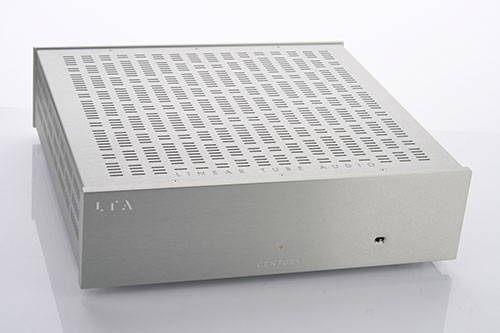
Linear Tube Audio Century
Century heißen die Röhren-Mono-Endverstärker von Linear Tube Audio, die ohne Ausgangsübertrager auskommen und sich dennoch grundlegend von anderen OTL-Konzepten unterscheiden. Wir haben uns intensiv damit beschäftigt, was die patentierte ZOTL-Technologie des Entwicklers so besonders macht und wie sie sich klanglich auswirkt. Für diesen Test haben Dirk Sommer und ich uns eine Arbeitsteilung vorgenommen, bei der ich (Carsten Bussler) mich auf die Technik der Century-Monos sowie die Hintergründe zu Linear Tube Audio und die Zusammenarbeit mit…29.09.2026 -
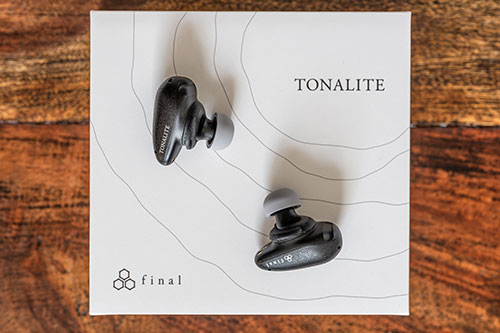
Final Tonalite
Finals Tonalite ist nicht nur ein neuer In-Ear, sondern macht gleichzeitig Finals Timbreanpassung jedem Nutzer mittels einer App zugänglich. Seit der noch etwas kryptischen Ankündigung dieser Technologie auf der High End 2022 habe ich Ihnen über den Entwicklungsprozess berichtet. Das fertige Produkt halte ich persönlich für einen Meilenstein. Tonalite ist eine grundlegende Neuentwicklung mit neuem Formfaktor und neuer Technik. Die Tonalite In-Ears verfügen über eine eher ovale Form, in der die gesamte Elektronik untergebracht ist.…25.09.2026 -
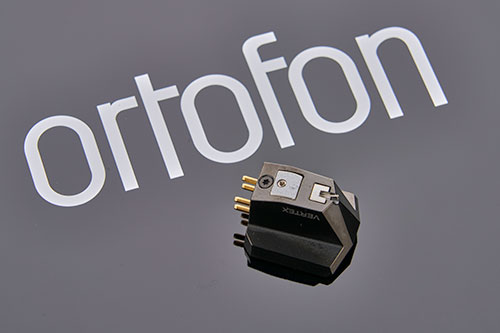
Ortofon MC Vertex
Die bisherigen Topmodelle von Ortofon, das Anna, das Anna Diamond und das Diamond, ähnelten einander auch optisch stark. Das Vertex macht schon durch sein Erscheinungsbild klar, dass es anders ist. Es ist der erste Tonabnehmer mit einem Diamanten mit Vertex-Schliff. Soweit mir bekannt, ist das der erste neue Nadelschliff seit rund 40 Jahren. Aber das ist nicht die einzige Veränderung gegenüber dem MC Diamond: Der Generator des Vertex besitzt einen deutlich höheren Innenwiderstand, die Nadelnachgiebigkeit…15.09.2026 


-
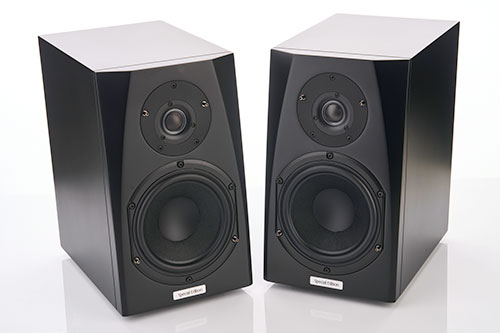
Phonar Veritas M4.2 SE
Es hat mir bislang stets Vergnügen bereitet, mich mit Phonar Lautsprechern zu beschäftigen. Nach einem Test kaufte ich die Veritas 9.2 SE und genieße seitdem ihre Musikalität. Phonar überzeugte immer wieder mit einem außergewöhnlich attraktiven Preis-Klang-Verhältnis. Bestätigt die neue, kompakte Phonar Veritas M4.2 SE diese Erfahrungen? Mein eindrucksvollstes Phonar-Erlebnis hatte ich vor zwei Jahren mit der Standbox Veritas p4.2 Next, die aktuell für einen Paarpreis von 2400 Euro auf der Phonar-Website zu sehen ist. Genau…08.09.2026 -
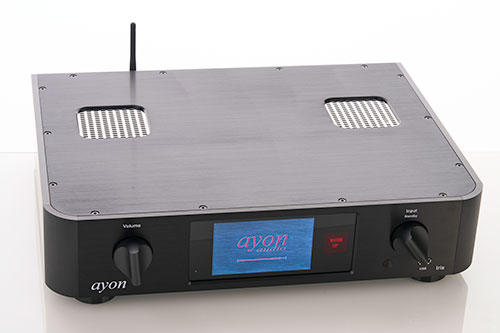
Ayon Iris Signature Streamer
Auf der High End Vienna haben Dirk Sommer und ich den Ayon Iris erstmals entdeckt – nun steht der außergewöhnliche Streaming-Player bei uns bereits zum Test. So frisch ist der Iris, dass selbst die Roon-Zertifizierung zum Testzeitpunkt noch läuft. Brandneu, doch der Iris kommt keineswegs aus dem Nichts: Wer die Entwicklung der digitalen Ayon-Komponenten verfolgt hat, erkennt eine kontinuierliche Beschäftigung mit dem Thema Streaming. Auch wir konnten diesen Weg begleiten – nach dem S3 und…01.09.2026 -
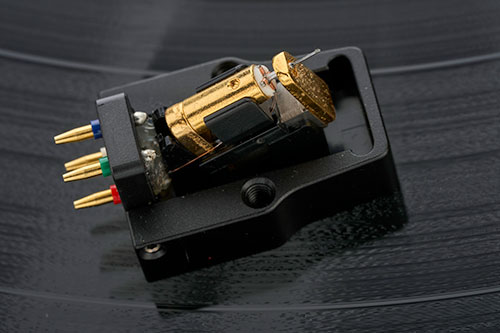
Sumiko Starling
Mein letzter Test eines Tonabnehmersystems befasste sich mit dem Sumiko Oriole. Nun drehen sich für diesen Test meine Schallplatten unter dem Sumiko Starling, dem teuersten System aus der Sumiko Referenz Serie. Nachdem ich überaus positiv überrascht vom Test des Oriole war und dies Peter Laitenberger vom deutschen ATR Vertrieb mitteilte, empfahl mir dieser mir doch einmal das Sumiko Starling anzuhören. Gesagt, getan und bereits wenige Tage später kam das kleine Päckchen mit dem Starling zu…28.08.2026
© 2026 | HIFISTATEMENT | netmagazine | Alle Rechte vorbehalten | Impressum | Datenschutz


Einige Hifistatement-Autoren benutzen
Qobuz Sublime+ Abonnements.

Einige Hifistatement-Autoren besitzen
eine roon Mitgliedschaft.

Einige Hifistatement-Autoren besitzen
die JPLAY hi-fi app.

Einige Hifistatement-Autoren besitzen
den Audirvana Plus 3 Music Player.